3D Printed Firearms: The Laws GOOD-BAD and UGLY
By Gregory Kielma
3D Printed Guns: What Are They and Are They’re Legal
3D Printed Guns: What Are They and Are They’re Legal
By Gregg Kielma, Owner & Lead Instructor, Tactical K Training and Firearms
02/16/2026
As a Firearms Instructor, Gunsmith and, First Aid Fundamentals Instructor, I’ve watched technology reshape our industry in ways most people never imagined. One of the biggest shifts has been the rise of 3D printed firearms. They generate curiosity, concern, and plenty of misinformation. My goal here is simple: give responsible gun owners a clear, factual understanding of what 3D printed guns are — and what the law actually says about them.
What Exactly Is a 3D Printed Gun?
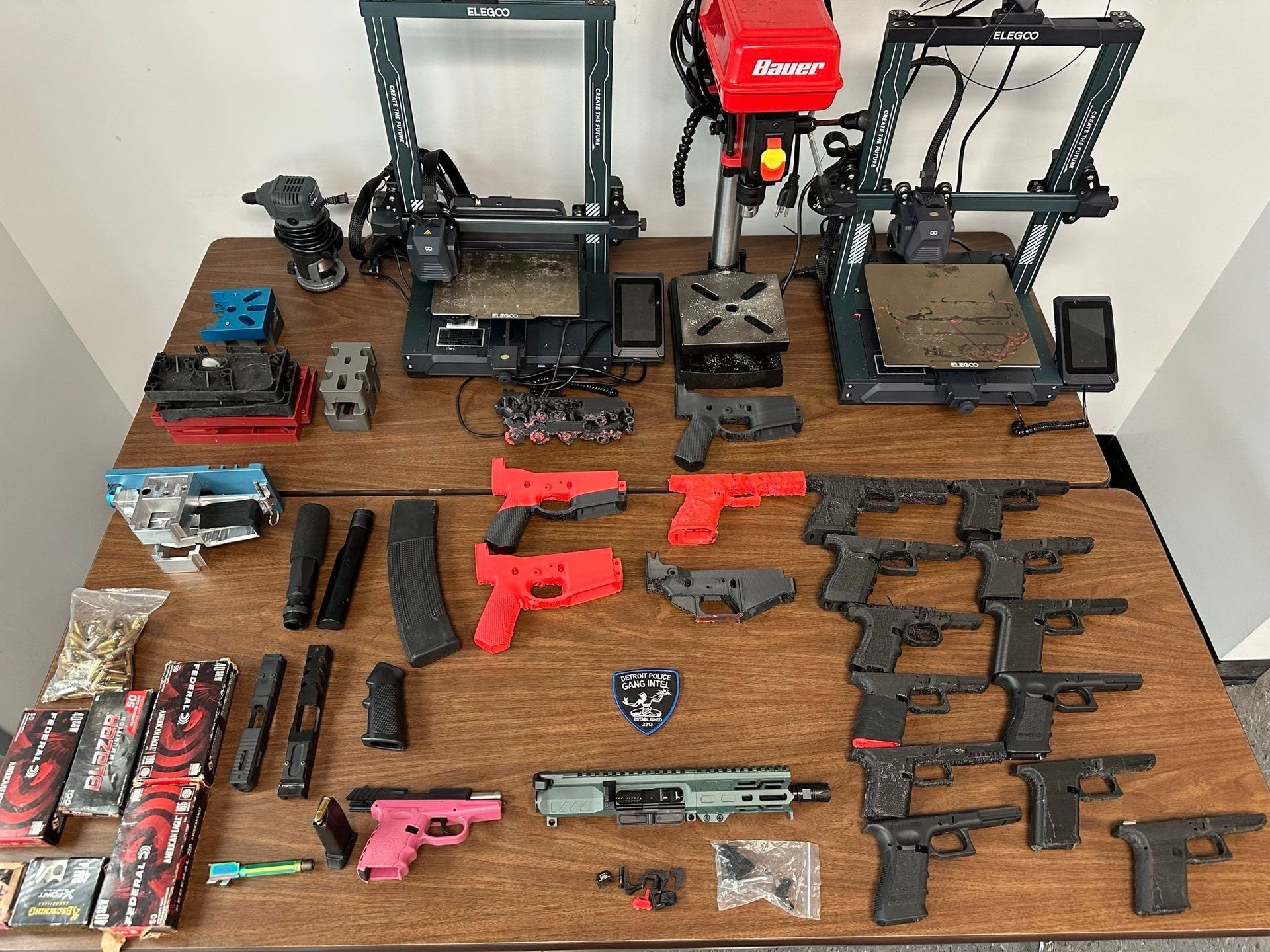
A 3D printed gun is a firearm — or firearm component — produced using a consumer or industrial 3D printer. These weapons fall under the broader category of Privately Made Firearms (PMFs), meaning they’re built by individuals rather than licensed manufacturers. PMFs can include pistols, rifles, receivers, and even components like frames or conversion devices. Not all PMFs are illegal, and not all require serial numbers, depending on how they’re made and the laws of your state.
Federal Law: What’s Allowed and What Isn’t
At the federal level, the rules are more nuanced than most people think:
✔ You can legally make your own firearm for personal use
There is no federal law banning the creation or possession of a 3D printed gun, as long as you are legally allowed to own a firearm and the weapon complies with federal requirements.
✔ But the firearm must be detectable
Under the Undetectable Firearms Act, all firearms — including 3D printed ones — must contain enough metal to be visible to security screening equipment.
✔ And certain components now fall under ATF regulation
A 2022 ATF rule treats many unfinished frames, receivers, and parts kits as firearms, meaning they may require serialization and background checks.
State Laws: Where Things Get Complicated
This is where responsible gun owners need to pay close attention. States vary widely.
States where manufacturing 3D printed guns is explicitly illegal:
• Delaware
• Hawaii
• Rhode Island
• Washington
States where possessing an unserialized 3D printed firearm is illegal:
• Connecticut
• New York
• Oregon
States considering or expanding restrictions
Recent legislation in states like Colorado and Washington aims to criminalize not just the guns themselves, but also the digital files used to print them — a major shift that affects hobbyists, makers, and gun owners alike.
Digital Files: The New Legal Battleground
One of the most controversial areas isn’t the gun — it’s the code.
Several states have introduced bills targeting the distribution or possession of 3D printable firearm files. Courts have upheld some of these restrictions, such as New Jersey’s limits on who can access printable gun files.
This is a rapidly evolving area of law, and it’s one every responsible gun owner should monitor closely.
My Perspective As a Firearms Instructor, Gunsmith and, First Aid Fundamentals Instructor
At Tactical K Training and Firearms, I emphasize responsibility, legality, and safety above all else. Technology will continue to evolve, and 3D printing isn’t going away. But neither are the legal obligations that come with firearm ownership.
Here’s what I tell my students:
• Know your state laws — they may differ drastically from federal rules.
• Stay updated — legislation around 3D printed guns is changing fast.
• When in doubt, ask — ignorance of the law is never a defense.
• Focus on safety and traceability — a firearm you can’t legally possess or transport is a liability, not a tool.
Kielma’s Parting Shot
3D printed guns can be legal — but only under the right conditions. Federal law allows personal manufacture, but state laws may prohibit it entirely or restrict possession of unserialized firearms. And the legal fight over digital files is intensifying.
As responsible gun owners, our job is to stay informed, stay compliant, and stay safe.
Gregg Kielma