3D Printed Firearms: What is The LAW? Let's Yake a LOOK
By Gregory Kielma
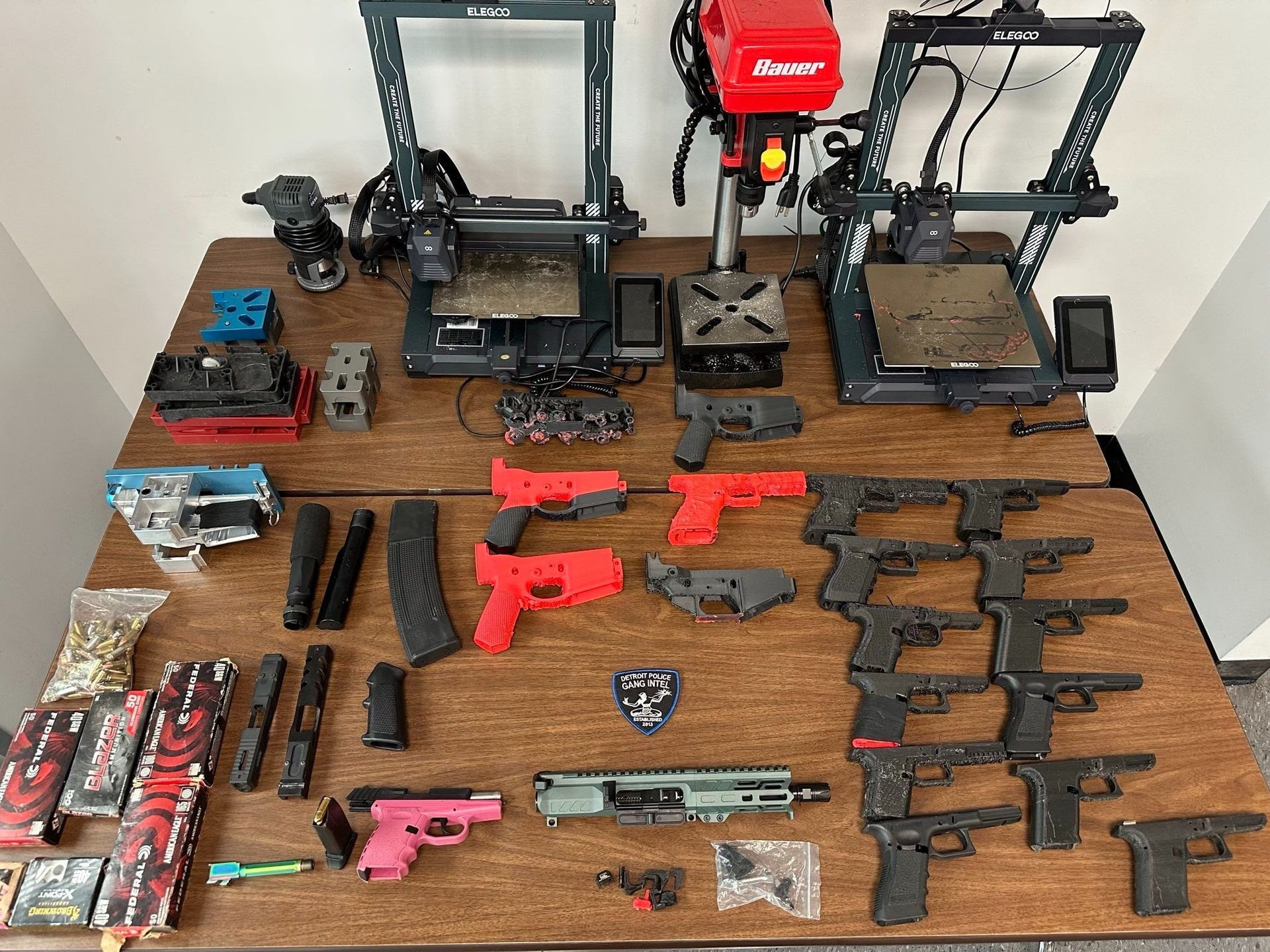
3d Printed Firearms What are They and Are they Legal? Let's take a look
Is 3D Printing Firearms Illegal?
By Gregory Kielma, Tactical K Training & Firearms
As technology evolves, so do the questions I hear from students and gun owners. One of the most common today is simple but loaded with confusion: “Is 3D printing a firearm illegal?”
The short answer is this:3D‑printed firearms can be legal under federal law but only under very specific conditions, and state laws vary widely.The long answer is where responsible gun owners need clarity.
Federal Law: What’s Actually Allowed
Under federal law, an individual who is legally allowed to possess firearmsmay manufacture a firearm for personal use. That includes a firearm made with a 3D printer. But there are important limits:
- The firearm must be detectable.The Undetectable Firearms Act requires that all firearms contain enough metal to be seen by standard security screening. A fully plastic gun is illegal.
- You cannot manufacture a firearm for sale without an FFL.Personal use is one thing. Manufacturing for others is a completely different legal category.
- Certain components may be regulated.ATF rules updated in recent years treat many unfinished frames, receivers, and parts kits as firearms. That means serialization and background checks may apply depending on the design.
Federal law does not ban 3D printing itself. What matters is whether the finished product meets legal requirements.
State Laws: Where Things Get Complicated
This is where responsible gun owners must pay attention. Some states have passed laws that go far beyond federal rules.
Examples include:
- States that restrict manufacturing 3D‑printed firearmsSome states prohibit making a firearm with a 3D printer regardless of intent.
- States that ban possession of unserialized firearmsEven if federal law allows personal manufacture, some states require serialization or prohibit possession entirely.
- States that regulate or restrict digital filesA few states have attempted to regulate the distribution or possession of 3D printable firearm files.
Because these laws change frequently, gun owners must stay informed and avoid relying on outdated information.
Digital Files: The New Legal Battleground
One of the most controversial areas isn’t the firearm, it’s thecode. Some states have argued that sharing 3D‑printable firearm files is equivalent to distributing a weapon. Courts have issued mixed rulings, and this area of law continues to evolve.
For responsible gun owners, the takeaway is simple:Know your state’s laws before downloading, sharing, or creating any firearm‑related files.
Why This Matters for Responsible Owners
As an instructor and FFL, I emphasize that legality and safety go hand in hand. Technology doesn’t change the core principles of responsible firearm ownership:
- Know the law
- Follow the law
- Stay educated as the law evolves
3D printing is just another tool. What matters is how it’s used and whether the owner understands the legal responsibilities that come with it.
My Perspective as an Instructor
I don’t view 3D printing as inherently good or bad. It’s simply a modern method of fabrication. But I do believe responsible gun owners must approach it with caution, clarity, and respect for the law.
A firearm you can’t legally possess, transport, or register is not an asset it’s a liability. And in today’s legal climate, ignorance is not a defense.
Kielma’s Parting Shot
3D‑printed firearms are not automatically illegal, but the legality depends on:
- Federal requirements
- State‑specific laws
- Whether the firearm is detectable
- Whether it’s for personal use
- Whether any regulated components are involved
For lawful gun owners, the safest path is always the same: stay informed, stay compliant, and stay responsible.
Gregg Kielma