ARMED And Walking Your Dog Safely
By Gregory Kielma
How to Safely Walk Your Dog or Favorite Pet While Armed
How to Safely Walk Your Dog or Favorite Pet While Armed
by Gregg Kielma and Lee Williams
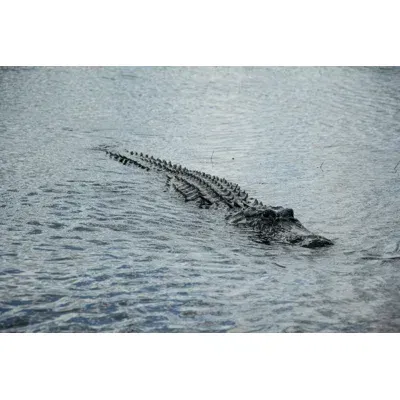
Says FFL, Firearms, First Aid Fundamentals Instructor Gregg Kielma. I get asked this question all the time in my firearms classes. I live in Florida with a lot of ponds with alligators and wild pigs in or around them. Alligators like small dogs, like my seven (7) rescues. So, what do I do?
I stay situationally aware all the time.
I chose a routes away from any bad areas near ponds or wooded areas. If you have access to a fenced in dog park, that may be a better option.
This For Florida Residents in Particular: Or any place you may encounter wild animals that can hurt you or your pet.
I walk them during the day when I can see the ponds or wooded areas we are coming up to.
I keep them close to me or most likely pick them up. We have sidewalks that run right next to big ponds alligators like to hang out in. (yes live in the country).
I have wild pigs that do tremendous damage to property and if not careful to people and dogs.
I'm always checking my surrounding for alligators, wild pigs or a bad actor hiding in the tree line that may try to hurt me or my wife.
I keep my firearm easily accessible.
I practice and can access my firearm in less than .003 seconds. I practice all the time. (Note: Alligators are very fast for short distances, you need to keep your "antenna's" up and always be ready. Wild pigs are very aggressive when there are little piglets around and will attack to save the piglets. They can hurt you or your pet just like an alligator).
Dive to a safe area in your neighborhood, park your car and say away from ponds or heavily wooded areas.
February through mid to end of April alligators are active. Its mating season and they become aggressive.
Have a plan.
What are you going to do to stop the threat? Don't wait until the last minute by then it's too late.
Stay smart, situationally aware and ready for anything.
Check out what Lees has to say and her recommendations. Take it away Lee!
I get to walk Willa, our Boston Terrier, seven to eight times per day. I’m not sure who enjoys it more. Her timing is always perfect. After I’ve been writing for more than a few hours, she will jump into my lap or bite my ankles to let me know it’s time to take a break.
Living in southwest Florida, the weather is our biggest non-tactical concern. We always avoid the hottest part of the day. I also carry a bottle of water and offer her sips while watching out for excessive panting. Boston Terriers are one of the Brachycephalic breeds, so she is more susceptible to heatstroke than other dogs. It’s crucial to adjust the intensity of our walk, and Willa is never shy about offering input.
As to our tactical concerns, some suggestions follow:
One of the most important considerations while walking your dog is that you will likely have just one free hand if you’re threatened. If you need to use deadly force, you will be shooting and possibly even reloading using only your strong hand. Practice is key, it’s crucial. Every time I’m at the range, I always shoot two or three magazines using only my strong hand. My weak hand is kept at my side, as if I’m holding her leash. Speed and accuracy are not the same as when I’ve got two free hands, which is why it’s so important to train.
One-handed magazine changes are also much slower. I hold my empty weapon between my legs, pull a spare mag off of my weak side with my strong hand, and insert it into the weapon. I have practiced this with Willa dry but have yet to add gunfire to our training. Accuracy is worse than when using two hands, as is speed. Besides, I will likely have a 30-pound dog jumping and going crazy in my weak hand, so you can understand that my maximum effective range will shrink.
Generally, the types of threats you may encounter on a dog walk are about the same as if you were walking alone, but there is the added possibility that someone may try to harm or steal your dog. Nowadays, some canines can cost thousands of dollars. Most likely, the bad guy will use some type of weapon. I have never heard of anyone who was victimized while walking their dog and forced to respond with force, being asked why they didn’t let their dog bite the bad guy. Most civilians don’t own attack-trained Malinois. Anyone who says anything different has likely never been in a gunfight.
Some additional suggestions:
• Always hold your dog’s leash with your weak hand. Keep your shooting hand ready.
• I strongly recommend carrying a can of pepper spray for aggressive canines. It works incredibly well and is not permanent. Make sure it is police strength.
• Practice drawing and obtaining a sight picture while holding your dog’s leash in your weak hand.
• It’s easy to lose your situational awareness while picking up poo. Do it quickly while maintaining your SA.
• Watch for additional threats, especially while retrieving poo.
• Don’t focus solely on your dog while walking. Don’t zone out.
• Don’t allow anyone you don’t know to pet your dog. Tell them your dog is not friendly and may bite.
• Change your walking routes often. Do not have a standard route.
• Look for threats while walking. Your dog can help with this.
• Be concerned about your safety and security, and your dog’s.
• Carry spare ammunition – it’s a must. I always carry the same guns and gear.
The Second Amendment Foundation’s Investigative Journalism Project wouldn’t be possible without you. Click here to make a tax-deductible donation to support pro-gun stories like this.