Body Armor In Public?: Let's Take a LOOK
By Gregory Kielma
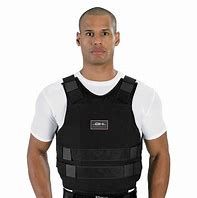
Wearing Protective Clothing and Body Armor in Public: A Practical Guide from Tactical K Training and Firearms
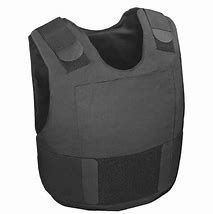
Wearing Protective Clothing and Body Armor in Public: A Practical Guide from Tactical K Training and Firearms
Gregg Kielma
4/10/2026
In today’s world, personal safety isn’t something you leave to chance. At Tactical K Training and Firearms, we teach students to think ahead, understand their environment, and make decisions that reduce risk long before a threat ever appears. Protective clothing and body armor fit into that mindset — not as a sign of fear, but as a tool for preparedness, just like a seatbelt or a fire extinguisher.
Understanding the Purpose of Protective Gear
Protective clothing and body armor are designed to give you a margin of safety when the unexpected happens. They don’t make you invincible, and they don’t replace awareness, avoidance, or good judgment. What they do provide is a layer of protection that can buy you time, reduce injury, and increase your chances of surviving a violent encounter. For many responsible citizens, especially those who carry concealed, protective gear is simply another part of their personal safety plan.
Types of Protective Clothing and Armor
• Soft Armor (Level II, IIIA) — Flexible, lightweight, and suitable for daily wear under normal clothing. Designed to protect against common handgun threats.
• Hard Plates (Level III, IV) — Heavier and more rigid, intended for rifle protection. These are typically worn in plate carriers and are more appropriate for specific roles or high risk environments.
• Cut Resistant or Slash Resistant Clothing — Useful for individuals working in public facing roles or environments where edged weapons are a concern.
• Impact Resistant Gear — Gloves, reinforced jackets, and protective eyewear can reduce injuries during physical confrontations or accidents.
Each option has strengths and limitations. The key is matching the gear to your lifestyle, environment, and realistic threat profile.
Wearing Armor in Public: What You Need to Know
In most states, including Florida,
it is legal for law abiding citizens to wear body armor in public. However, legality doesn’t replace responsibility. At Tactical K Training and Firearms, we emphasize three core principles:
1. Blend In, Don’t Stand Out
Armor should support your safety, not draw attention. Concealable options allow you to move through public spaces without alarming others or making yourself a target.
2. Know the Law
While wearing armor is legal for most people, individuals with certain criminal convictions may be restricted. Always verify your local and state regulations.
3. Train With Your Gear
Armor changes your posture, mobility, and heat retention. If you plan to wear it, you need to practice drawing, moving, and problem solving while wearing it. Gear you don’t train with becomes a liability.
When Protective Clothing Makes Sense
People choose to wear protective gear for many reasons:
• Working in public facing roles
• Traveling through unfamiliar or high risk areas
• Attending large events
• Carrying concealed and wanting an added layer of safety
• Personal preference based on lifestyle or past experiences
There is no single “right” reason — what matters is that the decision is informed, lawful, and part of a broader safety mindset.
Kielma’s Parting Shot: It’s a Mindset, Not a Statement
Wearing protective clothing or armor isn’t about projecting toughness. It’s about valuing your life and the lives of those you protect. AtTactical K Training and Firearms, we teach that preparedness is quiet, disciplined, and rooted in responsibility. Armor is just one more tool that supports that philosophy.
If you choose to incorporate protective gear into your daily routine, do it with intention, knowledge, and respect for the responsibility that comes with it.
Gregg Kielma