Brandishing a Firearm In Public: What Are The Consequences? Let's Take a LOOK
By Gregory Kielma
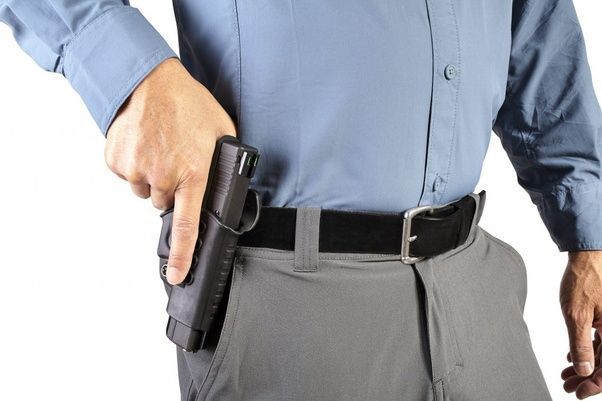
Understanding Brandishing or Improperly Exposing a Firearm
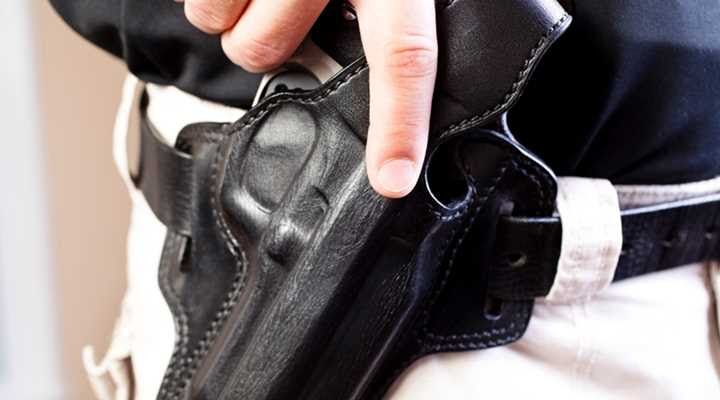
Outside The Waste Band Holster. Open Carry
Understanding Brandishing or Improperly Exposing a Firearm
By Gregg Kielma_ Tactical K Training and Firearms
01/19/2026
I always field questions during training classes about brandishing a firearm in public, what are the consequences and how will it impact my life, my career or my family’s life?
Let’s take a LOOK: My Thoughts
Brandishing — or improperly exposing a firearm
— is one of the most misunderstood areas of firearms law. Many gun owners assume that if they don’t point a gun at someone, they’re safe from legal trouble. The law takes a much broader view. Knowing what qualifies as brandishing is essential for every responsible gun owner.
What “Brandishing” Actually Means
Across most jurisdictions, brandishing refers to displaying a firearm in a threatening, intimidating, or aggressive manner. Importantly, the firearm does not need to be pointed at anyone for the act to be considered brandishing. According to legal sources: Even unintentional exposure can lead to accusations if someone feels threatened.
• Brandishing is the act of displaying a firearm “to intimidate, threaten, or cause fear in another person”.
• It includes “displaying, waving, or showing a weapon in a manner that is threatening or intended to intimidate”.
• The key elements often include:
o Another person is present
o The display is aggressive or alarming
o The intent (or perceived intent) is to cause fear
What Brandishing Is Not:
Context matters — and perception matters even more. If a reasonable person would feel threatened, the situation can escalate quickly.
• Simply carrying a firearm in a lawful manner
• Printing or accidental brief exposure while concealed carrying
• Displaying a firearm in a non-threatening context (e.g., holstering at a range, cleaning at home)
Potential Legal Consequences
Brandishing is treated as a serious offense because of its potential to escalate into violence, even when no shot is fired. Depending on the state and circumstances, consequences may include:
Criminal Charges
• Misdemeanor or felony charges
• Arrest and potential jail time
• Heavy fines
Loss of Firearm Rights
• Suspension or revocation of concealed carry permits
• Possible long-term loss of firearm ownership rights
Civil Liability
• Lawsuits from individuals who felt threatened
• Financial damages for emotional distress or other claims
Long-Term Impact
• Criminal record
• Loss of employment opportunities
• Damage to reputation and credibility
Why This Matters for Responsible Gun Owners
I teach in my classes responsible firearm ownership and marksmanship, it matters. It’s about judgment, restraint, and understanding the law. Brandishing charges often arise from emotional reactions, poor decision-making, or misunderstandings that could have been avoided with proper training.
A responsible gun owner should always:
• Keep the firearm concealed unless legally justified to draw
• Avoid escalating confrontations
• Understand state-specific laws
• Prioritize de-escalation, avoid, escape and as a last resort defend. Be the reasonable person. Always have a plan.
Kielma’ Parting Shot
Brandishing or improperly exposing a firearm is a serious legal matter with consequences that can follow a person for life. Education, awareness, and disciplined behavior are the best tools to prevent these situations. When gun owners understand the law and act responsibly, they protect not only themselves but the entire firearms community.
Gregg Kielma