Carbon Monoxide: Home Defense, Protect Your Family and Home
By Gregory Kielma
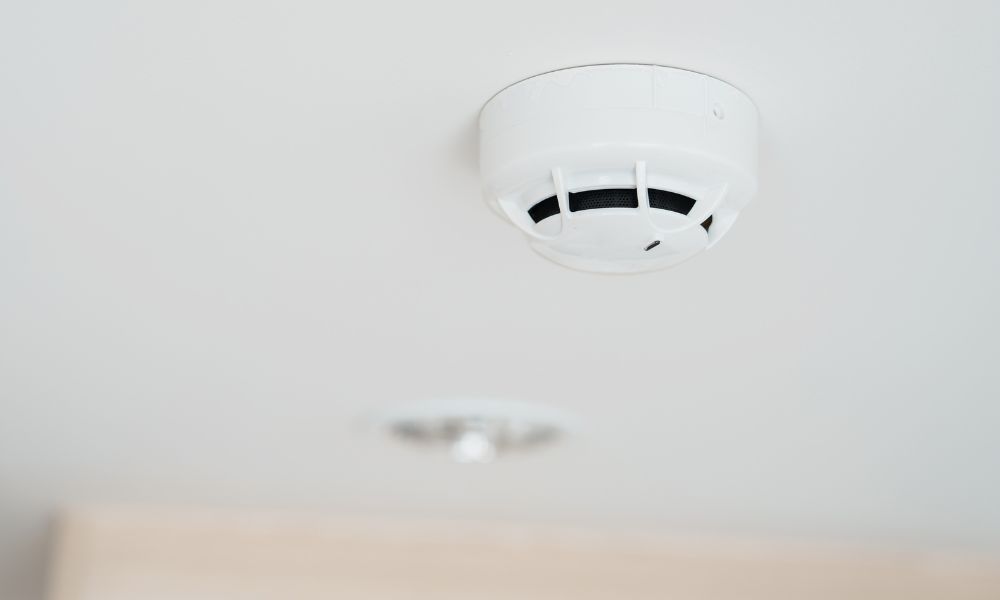
Protect your home from dangerous CO.
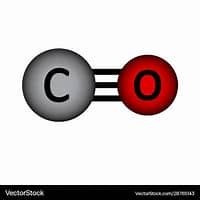
How to Spot and Prevent a Carbon Monoxide Leak
Kielma February 2025 Home Defense Safety Talk
Gregg Kielma
FFL-Firearms- Instructor First Aid Fundamentals Instructor-Gunsmith-
AED Defibrillator Sales
Protect your home from dangerous CO.
Carbon monoxide is a deadly gas that's produced when fossil fuels are burned. It's colorless, odorless and silent, making it virtually impossible to detect on its own until it's too late. CO poisoning is totally preventable with the proper use of carbon monoxide detectors.
Carbon monoxide blocks your blood's ability to carry oxygen. Specifically, it replaces the spot that oxygen normally takes on the hemoglobin in red blood cells by bonding more tightly to it. When your blood can no longer continue its job of carrying the oxygen your body needs to keep your organs operating, especially your brain, your organs will shut down.
You may be wondering what causes carbon monoxide in and around a house, and there are several common culprits. Anything that burns fossil fuels is a potential danger. This list includes (but is not limited to) cars, trucks, furnaces, stoves, gas ranges, small engines, generators, grills, lanterns and fireplaces. Improper use or maintenance of these devices can cause CO to build up to deadly levels in your home.
• Carbon Monoxide Safety Tips For The Winter Months
What are the signs of a CO leak?
Carbon monoxide smells like nothing; it's odorless. Without a CO detector, it's unlikely you'll notice a CO leak until it's too late. That's why it's important to have CO detectors in your home that can identify low levels of carbon monoxide before it becomes dangerous.
How dangerous is CO?
Carbon monoxide is deadly. Symptoms of carbon monoxide poisoning are often described as flu-like, including headache, nausea, vomiting, chest pain, dizziness, weakness and confusion. A person who's sleeping is unlikely to register these symptoms and can easily die in their sleep. Plus, the CO itself can put you to sleep and then kill you. Everyone is at risk for CO poisoning, but infants and the elderly are particularly susceptible, as are people with heart problems, anemia and breathing issues. According to the CDC, over 400 people in the US die from unintentional CO poisoning not linked to fires, more than 100,000 visit the emergency room and over 14,000 are hospitalized every year.
How do CO detectors work?
CO detectors measure the concentration of carbon monoxide in the air, triggering an alarm if it's high enough.
What should I do if my CO detector goes off?
If a carbon monoxide alarm goes off, get everyone out of the house and into fresh air immediately and then call emergency services. It takes time for carbon monoxide to dissipate, so don't assume it's safe to go back into your home when the alarm stops. Make sure your CO detector has fresh batteries; changing them twice a year at the same time we change our clocks for Daylight Saving Time is a good way to help you remember.
Are there any other ways to detect CO?
You can't detect carbon monoxide without a CO detector, but you may be able to identify potential CO hazards around your home.
Poorly maintained and poorly ventilated gas-fueled household appliances are the most common culprits, so be sure to keep an eye on them. These potential hazards include brownish or yellowing stains around appliances, pilot lights that go out frequently, yellow (instead of clear blue) burner flames, no upward draft in your chimney flue, stale-smelling air, and soot or smoke in your home.
What are the best ways to prevent a CO leak?
Be sure to have your chimney, heating system, water heater and any other appliances that burn gas, oil or coal serviced yearly by a qualified technician. If you see, smell or sense anything is "off," get it checked out immediately.
• Only buy gas equipment if it carries the seal of a national testing agency such as Underwriters' Laboratories. Make sure your gas appliances are vented properly; horizontal vent pipes should angle up slightly as they go outdoors.
• Never try to patch a vent pipe with tape or gum or anything else. Don't use a gas oven to heat your home. Don't burn charcoal inside your home.
• Don't use a portable gas camp stove or portable flameless chemical heaters indoors. If you use a generator, don't use it inside your home or garage -- or even within 20 feet of any window or vent. All of these things can cause a buildup of carbon monoxide in your home. For backup power, consider options like a solar generator or portable power station, which don't burn fossil fuels or run the risk of carbon monoxide.
You should avoid running a car inside a closed garage. Did you know that you also shouldn't run your car in an attached garage even with the garage door open? People have been doing this on cold winter days to warm up my car, but I certainly will never do so again even in Florida. It's also a good idea to have your car's exhaust system checked over by a mechanic every year. If you drive a vehicle with a tailgate, be sure to open the vents or window whenever the tailgate is open.