Chicago Mayor Johnson and His $30M Yearly Security Detail
By Gregory Kielma
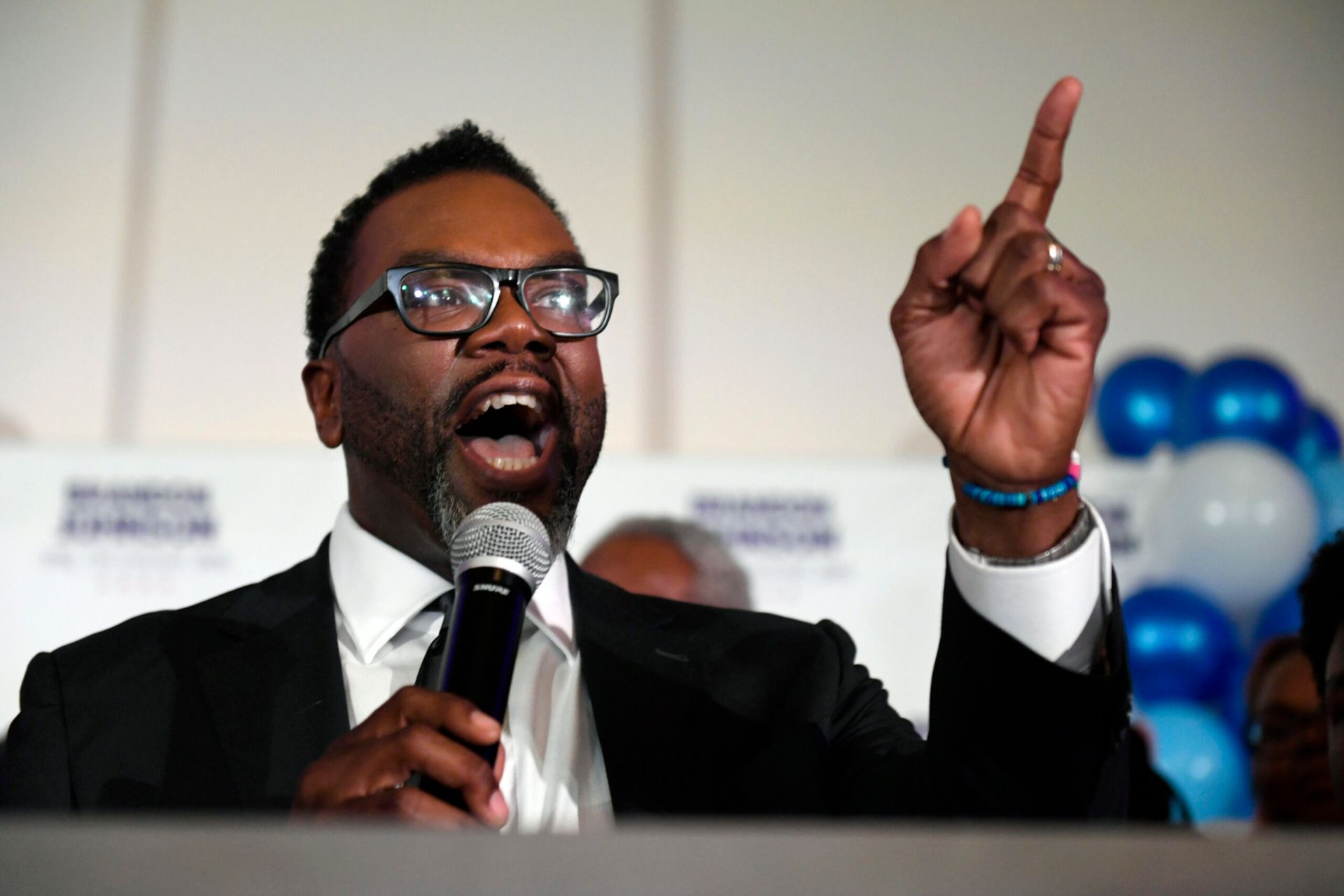
Anti‑Gun Chicago Mayor Spends $30 Million a Year on His Armed Security Detail
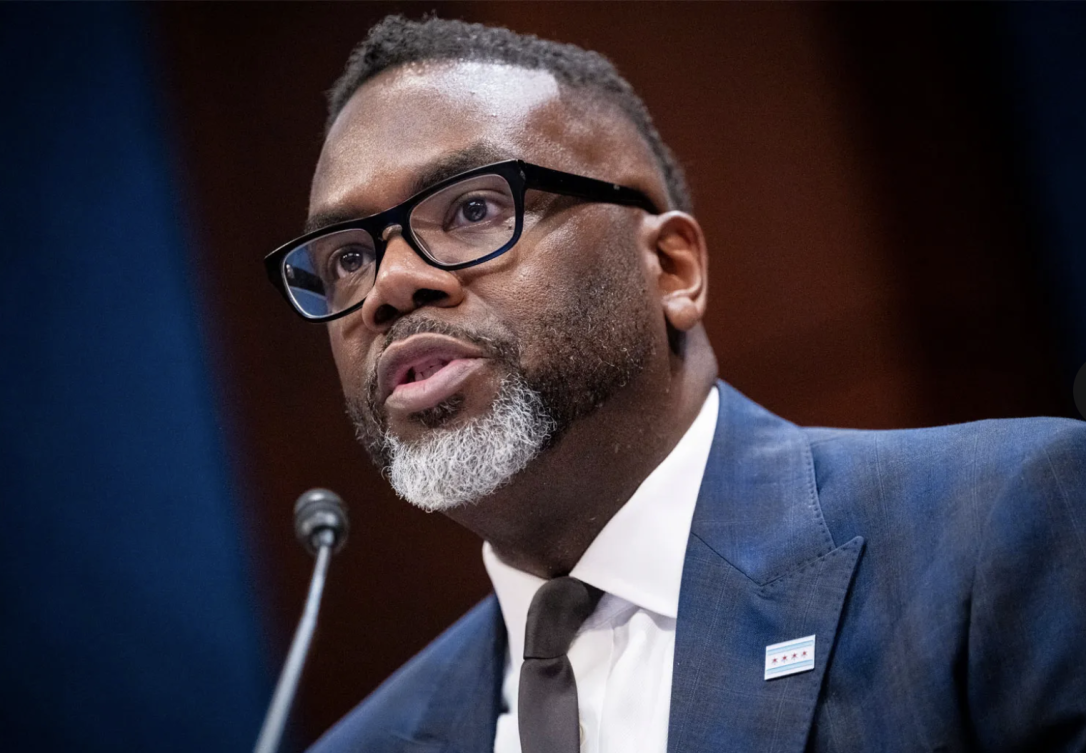
The Face of a Tyrant Coward: Chicago Mayor Brad Johnson
**Report by Gregory Kielma**:
Anti‑Gun Chicago Mayor Spends $30 Million a Year on His Armed Security Detail**
Recent reporting out of Chicago has revealed a striking contradiction between the city’s political messaging on firearms and the personal security practices of its leadership. According to multiple sources, Chicago Mayor Brandon Johnson
— a vocal supporter of some of the most restrictive gun-control measures in Illinois — is protected by an armed security detail that rivals or exceeds that of any major U.S. mayor. Estimates place the cost of this protection at approximately $30 million per year, funded entirely by taxpayers.
A Security Force Larger Than Many City Units
Reports indicate that Mayor Johnson’s protective detail includes up to 150 Chicago Police Department officers, a dramatic expansion compared to previous administrations. For context, former Mayor Lori Lightfoot’s detail reportedly used around 90 officers — a number that was already controversial. Johnson’s detail now surpasses that, making it one of the largest mayoral protection units in the country.
To put this in perspective, only 130 full‑time officers are assigned to patrol the entire Chicago Transit Authority system — 79 stations, 146 platforms, and 335 trains. That means the mayor has more officers guarding him personally than the number assigned to protect millions of daily commuters.
Taxpayer Burden and Expanding Costs
While salary costs alone are estimated at $22.5 million annually, the total cost — including overtime, vehicles, logistics, and specialized equipment — pushes the figure beyond $30 million per year. This level of expenditure has drawn scrutiny, especially as the city faces ongoing challenges with violent crime, youth victimization, and strained police resources.
Policy Contradictions and Public Perception
The controversy is not simply about whether a mayor should have security. Public officials often require protection. The issue, as highlighted by the National Shooting Sports Foundation and other commentators, is the double standard: strict gun-control policies for the public, paired with expansive armed protection for political leadership.
Mayor Johnson
has supported Illinois’ bans on certain semiautomatic rifles and magazine capacities, praising court decisions that upheld these restrictions as “important steps” for public safety. Yet his own security relies on the very tools and personnel that ordinary residents are increasingly restricted from accessing.
Two Sets of Rules
Commentary from constitutional analysts frames this as a “two‑tier theory of safety”:
Protected class: public officials with taxpayer‑funded armed security
Restricted class: ordinary residents facing tighter limits on lawful self‑defense tools
This tension fuels public cynicism, especially in a city where violent crime remains a persistent concern.
Kielma's Parting Shot
The debate surrounding Mayor Johnson’s
security detail is not merely about budget numbers — it’s about trust, consistency, and the message sent to the public. When leadership relies on extensive armed protection while advocating policies that limit the defensive options of law‑abiding citizens, the disconnect becomes impossible to ignore.
As someone who trains responsible gun owners and emphasizes personal preparedness, I believe transparency and consistency are essential. Chicago residents deserve a clear explanation for why their mayor requires one of the largest armed security details in the nation while they are asked to accept increasingly restrictive limits on their own ability to stay safe.