Concealed Carry Vs. Open Carry: What is best For YOU? Let's Take a LOOK
By Gregory Kielma
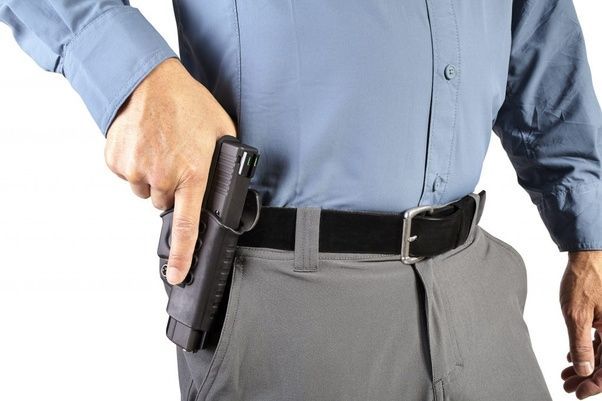
Concealed Carry vs. Open Carry: Understanding the Difference
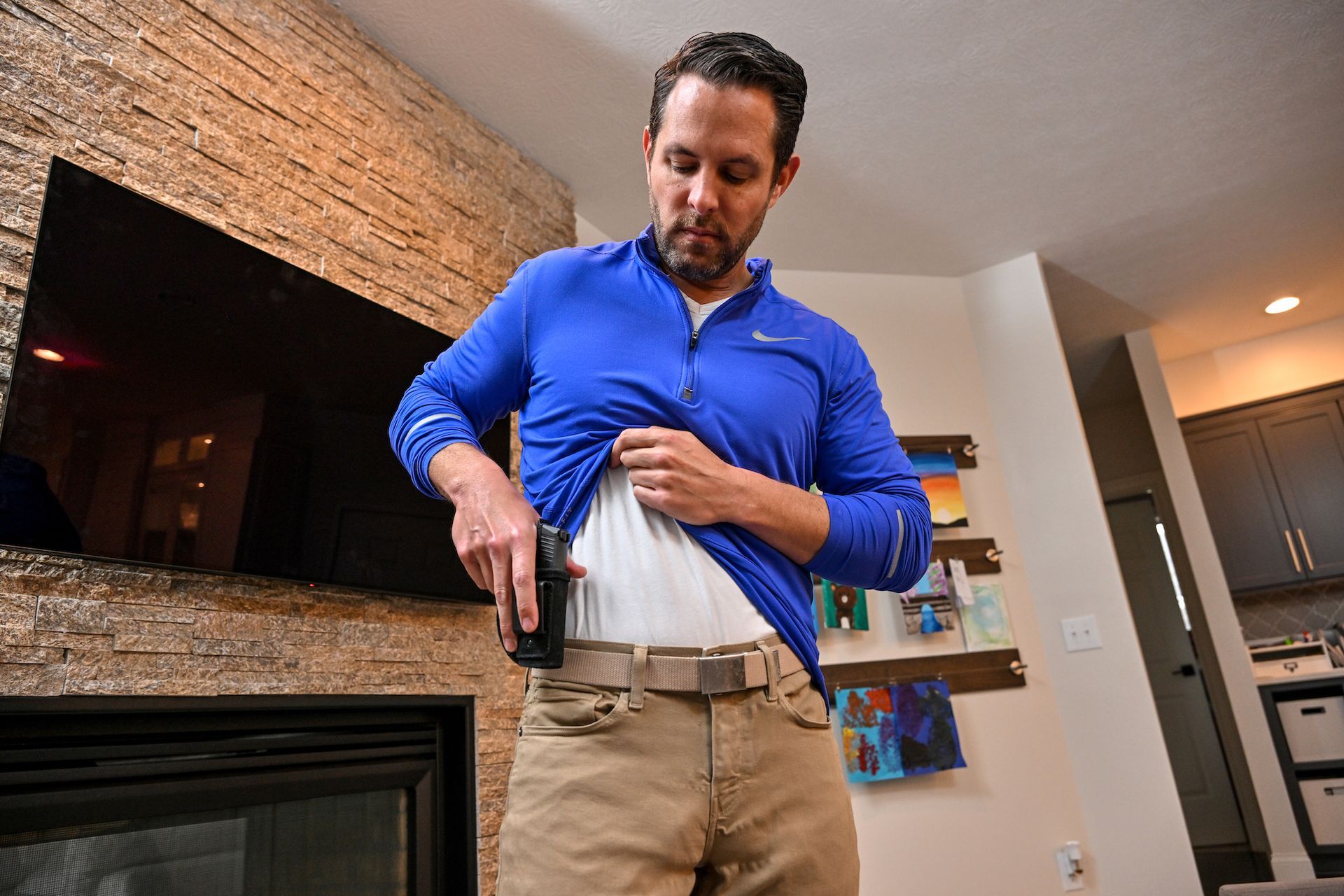
Concealed Carry vs. Open Carry: Understanding the Difference
Gregg Kielma
1/3/26
When it comes to lawful firearm carry, two primary methods dominate the conversation: concealed carry and open carry. Both are legal in many states, but each comes with its own practical considerations, responsibilities, and advantages. Understanding the difference helps gun owners choose the method that best aligns with their lifestyle, training, and personal safety goals.
Say's Gregg Kielma Owner; Tactical K Training and Firearms, Firearms Instructor, FFL, Fire Aid Instructor, and Gun Smith.
Let's Take A LOOK
Concealed Carry
Concealed carry means the firearm is hidden from public view—typically under clothing or in a discreet holster.
Benefits include:
- Discretion:You avoid drawing unnecessary attention or alarming others.
- Tactical Advantage:In a defensive situation, concealment prevents a potential threat from identifying you as an armed individual.
Everyday Practicality: Ideal for those who want to blend in while maintaining personal protection. Concealed carry requires consistent training, proper holster selection, and a strong understanding of state laws. Many responsible gun owners choose this method because it prioritizes safety and minimizes public concern.
Open Carry
Open carry means the firearm is visible—usually holstered on the hip or chest.
Benefits include:
- Deterrence: The visible presence of a firearm may discourage criminal behavior.
- Comfort: Larger firearms can be carried more easily without the need to conceal them.
- Accessibility: The firearm is often quicker to draw in an emergency.
However, open carry can also attract attention, provoke unnecessary interactions, or make you a target in certain situations. It requires heightened situational awareness and a calm, professional demeanor.
Kielma's Parting Shot: Which Is Right for You?
The choice depends on your environment, comfort level, training, and local laws. Many responsible gun owners prefer concealed carry for daily life and reserve open carry for specific settings like private property, training environments, or rural areas.
Regardless of the method, safety, training, and respect for the law are the foundation of responsible firearm carry. At Tactical K Training and Firearms,
we emphasize informed decision‑making and skill development so every student can carry with confidence and competence.
Gregg Kielma