Electronic Control Devices Training and Facts
By Gregory Kielma
Tactical K Training and Firearms
Gregg Kielma
Electronic Control Devices
An electronic control device (ECD) is an incapacitating weapon. It delivers an electric shock aimed at temporarily disrupting muscle functions and/or inflicting pain, usually without causing significant injury.
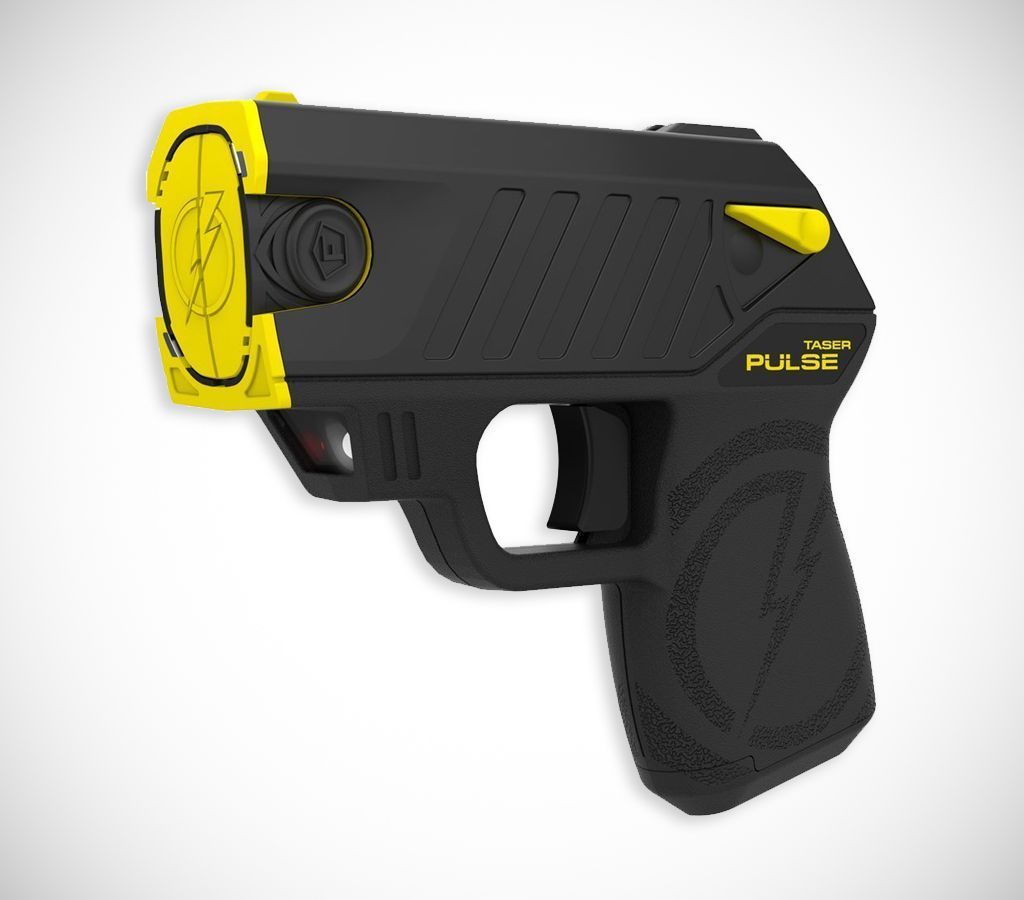
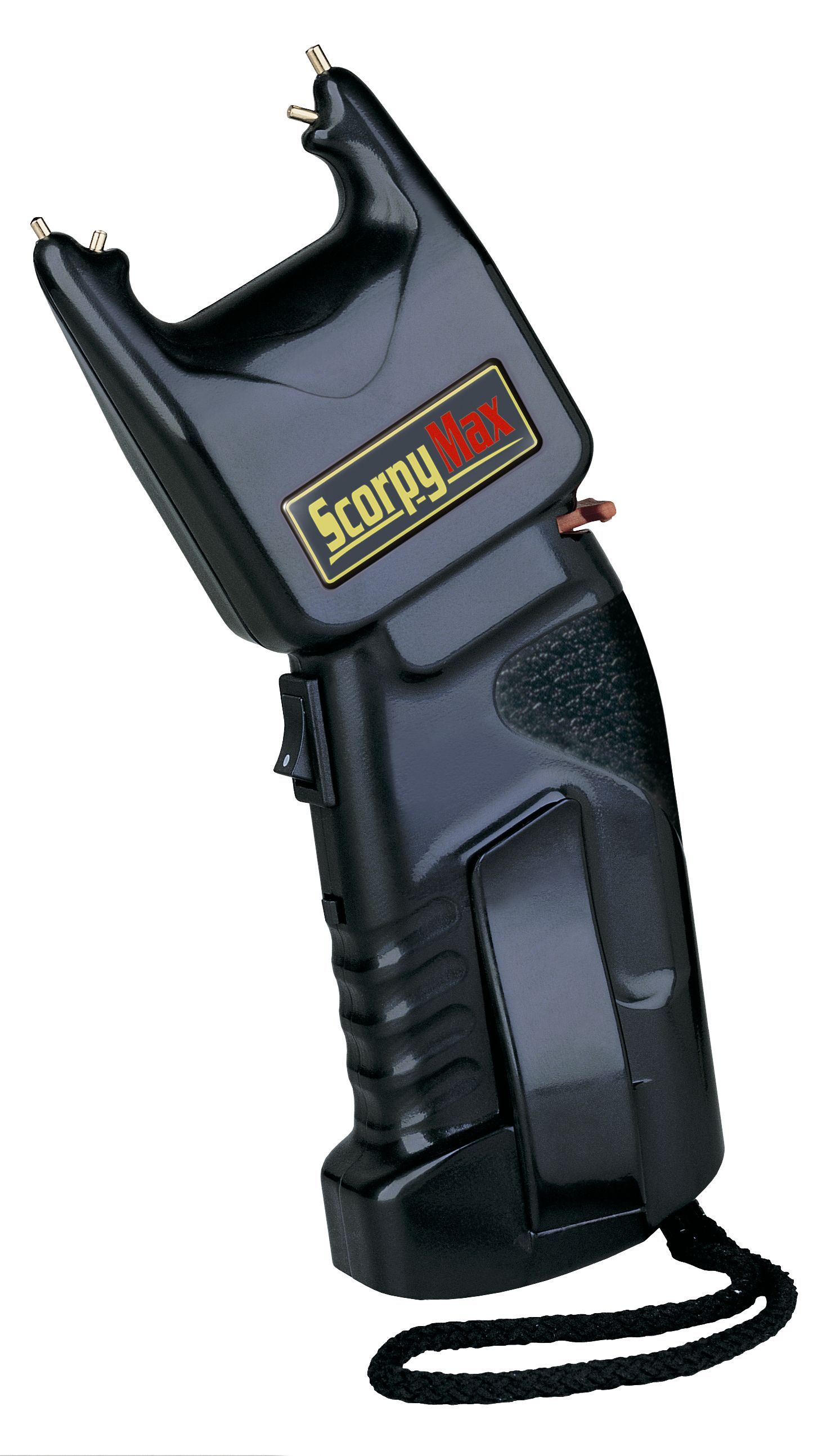
Many types of these devices exist. Stun guns, batons (or prods), cattle prods, shock collars, and belts administer an electric shock by direct contact, whereas a Taser fires projectiles that administer the shock through thin flexible wires. Long-range electroshock projectiles, which can be fired from ordinary shotguns and do not need the wires, have also been developed.
Though the two terms are often used interchangeably, stun guns are direct contact weapons that work mainly through pain compliance by affecting the sensory nervous system. It can also cause some muscular disruption, but that generally requires 3–5 seconds of direct contact. In comparison, an ECD is a long range weapon that fires barbed darts and incapacitates the target by disrupting voluntary muscular control through the motor nervous system. However, some models of ECD’s blur this distinction as they are capable of delivering a "drive stun", a pain compliance technique involving placing the weapon in direct contact with the subject's body and discharging a shock without firing the probes.
Electroshock weapon technology uses a temporary high-voltage, low-current electrical discharge to override the body's muscle-triggering mechanisms. Commonly referred to as a stun gun, electroshock weapons are a relative of cattle prods, which have been around for over 100 years and are the precursor of stun guns. The recipient is immobilized via two metal probes connected via wires to the electroshock device. The recipient feels pain, and can be momentarily paralyzed while an electric current is being applied. Essential to the operation of electroshock, stun guns and cattle prods is sufficient current to allow the weapon to stun. Without current these weapons cannot stun and the degree to which the weapon is capable of stunning depends on its proper use of current. It is reported that applying electroshock devices to more sensitive parts of the body is even more painful.[12] The maximum effective areas for stun gun usage are upper shoulder, below the rib cage, and the upper hip. High voltages are used, but because most devices use a less-lethal current, death does not usually occur from a single shock. The resulting "shock" is caused by muscles twitching uncontrollably, appearing as muscle spasms.
The internal circuits of most electroshock weapons are fairly simple, based on either an oscillator, resonant circuit (a power inverter), and step-up transformer or a diode-capacitor voltage multiplier to achieve an alternating high-voltage discharge or a continuous direct-current discharge. It may be powered by one or more batteries depending on manufacturer and model. The amount of current generated depends on what stunning capabilities are desired, but without proper current calculations, the cause and effect of high voltage is muted. Output voltage is claimed to be in the range of 100 V up to 6 kV; current intensity output is claimed to be in the range of 100 to 500 mA; individual impulse duration is claimed to be in the range of 10 to 100 μs (microseconds); frequency of impulse is claimed to be in the range of 2 to 40 Hz; electrical charge delivered is claimed to be in the range of 15 to 500 μC (microcoulombs); energy delivered is claimed to be in the range of 0.9 to 10 J. The output current upon contact with the target will depend on various factors such as target's resistance, skin type, moisture, bodily salinity, clothing, the electroshock weapon's internal circuitry, discharge waveform, and battery conditions.
Manufacturers' instructions and manuals shipped with the products state that a half-second shock duration will cause intense pain and muscle contractions, startling most people greatly. Two to three seconds will often cause the recipient to become dazed and drop to the ground, and over three seconds will usually completely disorient and drop the recipient for at least several seconds. Taser warns law enforcement agencies that "prolonged or continuous exposure(s) to the ECD’s device's electrical charge" may lead to medical risks such as cumulative exhaustion and breathing impairment.
Because there was no automatic stop on older model ECD devices, many officers have used it repeatedly or for a prolonged period, thus potentially contributing to suspects' injuries or death. The current Taser X26 model automatically stops five seconds after the trigger is depressed and then the trigger must be depressed again to send another shock. The trigger can be held down continuously for a longer shock, or the device can be switched off before the full five seconds have elapsed. The devices have no protections against multiple police officers giving multiple shocks, cumulatively exceeding the recommended maximum levels.
Because of the use of electricity and the claim of the weapon being non-lethal, controversy has sprouted over incidents involving the weapon and the use of the weapon in general. In essence, controversy has been centered on the justification of the use of the weapon in certain instances, and, in some cases, health issues that are claimed to be due to the use of the weapon.
Tests conducted by the Cleveland Clinic found that ECD’s did not interfere with pacemakers and implantable defibrillators. A study conducted by emergency medicine physicians at the University of California, San Diego, US showed no lasting effects of the Taser device on healthy test subjects. However, Taser International no longer claims the devices are "non-lethal", instead saying they "are more effective and safer than other use-of-force options".
Currently, ECD devices are programmed to be activated in automatic five second bursts, and the operator can stop the energy charge by engaging the safety switch. The charge can also be prolonged beyond five seconds if the trigger is held down continuously. The operator can also inflict repeated shock cycles with each pull of the trigger as long as both barbs remain attached to the subject. The only technical limit to the number or length of the electrical cycles is the life of the battery, which can be ten minutes or more.
Concerns about the use of conducted electrical weapons have arisen from cases that include the death of the Polish immigrant Robert Dziekanski at the airport in Vancouver, Canada where he died after the RCMP officer, in spite of his training, repeatedly stunned him with a ECD CEW. The report by forensic pathologist Charles Lee, of Vancouver General Hospital, listed the principal cause of death as "sudden death during restraint", with a contributory factor of "chronic alcoholism"
A similar incident occurred in Sydney, Australia, to Roberto Laudisio Curti, a 21-year-old tourist from Brazil. He died after repeated exposure to a ECD device even after being physically apprehended (by the weight of several police officers lying on top of him compressing his chest and making it hard to breathe. He was pepper sprayed at the same time). The coroner was scathing of the "thuggish" behavior of the police. The repeated use of several ECD devices was considered excessive and unnecessary.
A study for the Canadian Broadcasting Corporation, indicated that the threshold of energy needed to induce deadly ventricular fibrillation decreased dramatically with each successive burst of pulses, however, one pulse may provide enough energy to induce deadly ventricular fibrillation in some cases. The threshold for women may be less.
Although the ECD is a programmable device, the controlling software does not limit the number of the bursts of pulses and the time between bursts while the trigger is held down continuously, or the number of times the shock cycles can be repeated.
Legal issues
Electroshock weapons have been made illegal in Germany by supplement 2, if they do not carry an official seal of approval demonstrating they do not constitute a health risk. As of July, 2011, no such seal has been issued to any device on the market. According to the German federal police may approve of exceptions. Such a special approval for purchase, ownership and carrying was in effect until 31 December 2010. As of 1 January 2011, only devices carrying the PTB's seal of approval are legal. Previous owners may keep their devices, but cannot carry or sell them.] Electroshock weapons effective over a distance, like a Taser have been completely outlawed in Germany since 1 April 2008.
In the United Kingdom the possession and purchase of any weapon of whatever description designed or adapted for the discharge of any noxious liquid, gas or other thing is prohibited. This includes electroshock weapons.
Torture
The United Nations Committee against Torture reports that the use of ECD devices can be a form of torture, due to the acute pain they cause, and warns against the possibility of death in some cases. The use of stun belts has been condemned by Amnesty International as torture, not only for the physical pain the devices cause, but also for their heightened abuse potential, due to their perceived "harmlessness" in terms of causing initial injuries, like ordinary police batons do. Amnesty International has reported several alleged cases of excessive electroshock gun use that possibly amount to torture. They have also raised extensive concerns about the use of other electro-shock devices by American police and in American prisons, as they can be (and according to Amnesty International, sometimes are) used to inflict cruel pain on individuals.
ECD’s may also not leave the telltale markings that a conventional beating might. The American Civil Liberties Union has also raised concerns