Fire Extinguisher Safe For Home and Business
By Gregory Kielma
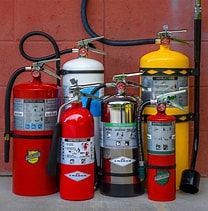
Fire Extinguisher Safety for Homes and Businesses
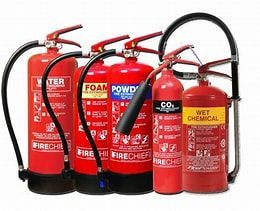
Fire Extinguisher Safety for Homes and Businesses
By Gregg Kielma-Tactical K Training and Firearms.com
02/22/2026
Fire extinguishers are one of the simplest and most effective tools we have for stopping a small fire before it becomes a life changing disaster. Whether at home or in a business, having the right extinguisher—and knowing how to use it—can make all the difference.
Choose the Right Extinguisher
Not all extinguishers are the same. For most homes and small businesses, a multi purpose ABC extinguisher is the best choice because it covers common fire types:
• A: Ordinary combustibles (wood, paper, cloth)
• B: Flammable liquids (grease, fuel, oils)
• C: Electrical fires
Larger facilities or specialized environments may require additional extinguishers, but ABC units are the foundation.
Placement Matters
An extinguisher is only useful if you can reach it quickly. Keep them:
• Near exits
• In kitchens, workshops, and garages
• In high risk areas like break rooms or mechanical rooms
Avoid placing extinguishers too close to the hazard itself—you want to be able to approach safely.
Know How to Use It
In an emergency, stress takes over. That’s why simple training is essential. The PASS method is easy to remember:
• Pull the pin
• Aim at the base of the fire
• Squeeze the handle
• Sweep side to side
Just as important: if the fire is spreading, producing heavy smoke, or you feel unsafe, evacuate immediately and call 911.
Inspect Regularly
Extinguishers require routine checks. At least once a month, make sure:
• The pressure gauge is in the green
• The pin and tamper seal are intact
• The extinguisher is clean, accessible, and undamaged
Businesses should also follow required annual inspections and maintenance schedules.
Kielma’s Parting Shot: Preparedness Saves Lives
A fire extinguisher is more than a piece of equipment—it’s a layer of protection for your family, employees, and property. Investing a few minutes in training and maintenance can prevent injuries, reduce damage, and give you the confidence to act when seconds matter.
Gregg Kielma