Firearm Performance: Sight Alignment Why This is SO IMPORTANT
By Gregory Kielma
Why Handgun Sighting In Is Essential for Every Responsible Shooter
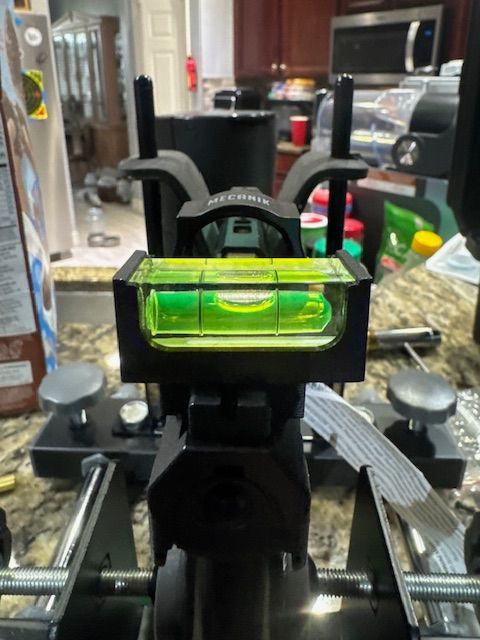
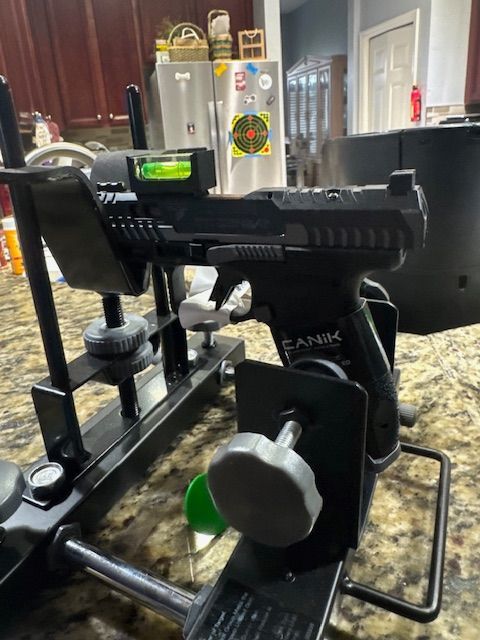
Kielma Installing and Sighting In A New Optic
Why Handgun Sighting In Is Essential for Every Responsible Shooter
Gregg Kielma
01/04/2026
Gunsmith Gregg Kielma
recommends spending $30–$40 (Handgun) to have a professional sight in your new or current firearm. If your shots are off target, such as low and left, let a gunsmith inspect it, it's an inexpensive way to ensure top performance.
Here are my thoughts, Let’s Take a LOOK.
Handguns are often marketed as “ready out of the box,” but any experienced shooter knows that true accuracy doesn’t come from assumptions — it comes from verification. Sighting in a handgun is one of the most overlooked steps in responsible firearm ownership, yet it’s one of the most important. Whether you carry daily, shoot recreationally, or train for defensive proficiency, confirming your sights is a foundational part of safety, confidence, and performance.
Accuracy Starts With a Known Zero
Every handgun, even from the same manufacturer and model line, can shoot slightly differently. Variations in ammunition, barrel harmonics, sight height, and shooter grip all influence point of impact. Sighting in ensures:
• Your rounds land exactly where your sights indicate
• You understand how your chosen ammunition performs
• You eliminate guesswork in a defensive situation
Kielma suggests:
A verified zero is the difference between “close enough” and true precision.
Equipment Changes Require Confirmation
Any time you adjust or replace sights — whether installing night sights, fiber optics, red dots, or suppressor height irons — you must confirm alignment on the range. Even factory installed sights can be slightly off due to manufacturing tolerances or shipping impacts.
Kielma suggests:
A quick sight in session ensures your equipment is working with you, not against you.
Sighting In Builds Shooter Confidence
Confidence is a critical component of effective shooting. When you know your handgun is properly sighted in, you remove doubt and hesitation. That confidence translates into:
• Better shot placement
• Faster follow up shots
• Improved decision making under stress
Kielma suggests:
A shooter who trusts their equipment performs at a higher level.
A Key Part of Defensive Readiness
In a defensive encounter, accuracy matters more than anything. You are responsible for every round fired. A handgun that hasn’t been sighted in introduces unnecessary risk — to you, your loved ones, and bystanders.
Kielma suggests:
A confirmed zero ensures that if you ever need your firearm to protect life, it will perform exactly as expected.
Understanding Your Personal Point of Aim vs. Point of Impact
Every shooter has unique biomechanics: grip strength, wrist angle, trigger press, and stance. These factors influence where rounds land. Sighting in helps you understand:
• How you shoot your handgun
• How your natural point of aim aligns with your sights
• Whether adjustments are needed to the firearm or your technique
Kielma suggests:
This process is invaluable for both new shooters and seasoned professionals.
Consistency and Training Go Hand in Hand
Sighting in isn’t a one time task. It should be revisited when:
• You change ammunition
• You modify your firearm
• You experience unexplained accuracy shifts
• You haven’t shot the firearm in a long time
Kielma suggests:
Regular confirmation keeps your skills sharp and your equipment reliable.
Kielma’s Parting Shot:
Sighting in a handgun is more than a technical step — it’s a commitment to responsibility, accuracy, and safety. For everyday carriers, competitive shooters, and new gun owners alike, taking the time to properly sight in ensures your firearm performs exactly as intended. It’s one of the simplest ways to build confidence, improve accuracy, and uphold the standards of responsible gun ownership.
Gregg Kielma