Firing Range Etiquette: Know The Range Rules. Let's Take a Look
By Gregory Kielma
Be the informed Person at the Range: 11 Essential Gun Safety & Etiquette Tips
Don’t Be That Person at the Range: 11 Essential Gun Safety & Etiquette Tips
Gregg Kielma
FFL-Firearms- Instructor First Aid Fundamentals Instructor-Gunsmith-
AED Defibrillator Sales
Whether you’re a seasoned shooter or a first timer, the shooting range is a space where safety and respect take precedence over everything else. It’s a place to hone your skills, test equipment, and enjoy camaraderie with fellow enthusiasts. However, a single misstep—whether due to carelessness or lack of knowledge—can endanger lives and ruin the experience for everyone.
That’s why understanding and adhering to gun safety rules and range etiquette is essential. In this guide, we’ll explore the critical safety, and etiquette tips every shooter must know to ensure a safe and enjoyable visit to the range.
Says Firearms Instructor Gregg Kielma, Range Etiquette Matters
Adhering to gun safety rules and range etiquette isn’t just about avoiding accidents, it’s about creating an environment where everyone feels comfortable and secure. Whether it’s respecting the firing line, following commands, or cleaning up after yourself, every action contributes to the collective experience. A little courtesy goes a long way in ensuring that the range remains a place where all skill levels are welcome.
Kielma continues,
let’s take a look at using a firearm at your favorite range: If you don’t know or understand, ASK!
1. Always Keep Your Gun Pointed in a Safe Direction
The cardinal rule of gun safety is to always keep the muzzle pointed in a safe direction. At the range, this means always pointing the firearm downrange, even when unloading, cleaning, or setting it down. Outside the range, common sense and situational awareness dictate what constitutes a safe direction. For example, if you’re not on the firing line, keeping the muzzle pointed toward the ground is typically best. This habit ensures that even in the event of an accidental discharge, no one will be harmed.
2. Treat Every Firearm as if It’s Loaded
Even if you’ve checked and double-checked that your firearm is unloaded, always treat it as though it’s live. This mindset fosters a culture of caution and minimizes complacency. When you pick up a firearm, inspect the chamber, magazine, and action to ensure they’re clear. This rule may seem overly cautious, but it prevents situations where assumptions lead to tragic accidents.
3. Keep Your Finger Off the Trigger Until You’re Ready to Shoot
A golden rule of firearm handling is to avoid placing your finger on the trigger until your sights are aligned, your target is identified, and you’re ready to fire. This precaution prevents premature or accidental discharges, which can occur even with a light brush of the trigger. Train yourself to rest your finger outside the trigger guard, alongside the frame of the firearm, as a default position. Developing this habit takes practice but is one of the most effective ways to maintain safety.
4. Follow the Range Officer’s Commands Without Hesitation
Range officers are there to keep everyone safe and maintain order, and their instructions are non-negotiable. Commands like “cease fire” or “unload” must be followed immediately and without question. If you’re unsure about what a command means, ask before shooting begins. These instructions are designed to prevent accidents and ensure that all shooters and bystanders remain safe during a range of activities.
5. Use Eye and Ear Protection Always
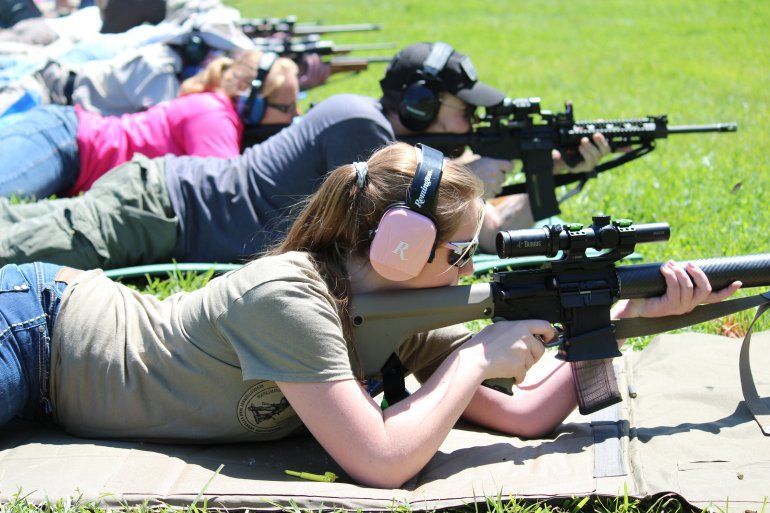
Protecting your vision and hearing is non-negotiable when handling firearms. The sound of gunfire can cause irreversible hearing damage, while ricochets or debris from fired rounds can injure your eyes. High-quality ear protection, such as earmuffs or earplugs, and ANSI-rated safety glasses are essential for every shooter, regardless of their experience level. For children, doubling up with both earplugs and earmuffs is recommended for maximum protection.
6. Unload Firearms When Not In Use
A firearm should only be loaded when you’re actively shooting at the range. When entering or exiting the facility, walking to your shooting station, or handling your firearm in non-firing areas, it must be unloaded. The action should remain open, and detachable magazines must be removed. Always visually and physically inspect the chamber and magazine to confirm they’re clear before setting down or transporting the firearm.
7. Understand and Respect Firing Line Rules
The firing line is a designated area where strict safety protocols are enforced. Only handle your firearm at the line when the range is declared “hot” and shooting is allowed. Never touch or load your firearm when someone is downrange, as this creates a significant safety hazard. Wait for the range officer to give the all-clear before resuming any activity at the line.
8. Keep Brass and Ejected Cases Under Control
Semi-automatic firearms eject spent brass, which can create a nuisance – or even a safety issue – for neighboring shooters. Be mindful of where your brass is landing and adjust your position if necessary. While collecting your brass is generally allowed, only pick up your own casings, and never retrieve brass that has fallen forward of the firing line.
9. Avoid Rapid Firing Unless Permitted (ask the Range Safety Officer If Permitted…RSO)
Most shooting ranges require a minimum of two seconds between shots to ensure accuracy and prevent reckless behavior. Rapid firing, while exciting, can lead to poor control and potentially dangerous situations. Following this rule demonstrates respect for range policies and allows you to focus on improving your marksmanship.
10. Stick to Approved Ammunition
Not all ammunition is allowed at every range. Types like tracer rounds, armor-piercing bullets, and steel-core ammunition are often prohibited due to their potential to damage equipment or create safety risks. Check the range’s ammunition policies before bringing your own and use only what’s explicitly approved for the facilities.
11. Clean Up Your Station Before You Leave
Leaving a clean station isn’t just polite – it’s a safety measure. Dispose of spent brass, trash, and targets in the appropriate receptacles, and ensure the area is tidy for the next shooter. A well-maintained range benefits everyone and helps foster a sense of community among its users.
Gregg Kielma
FFL-Firearms- Instructor First Aid Fundamentals Instructor-Gunsmith-
AED Defibrillator Sales