Forced Reset Triggers: Let's Take a LOOK
By Gregory Kielma
Forced Reset Triggers (FRTs): What Responsible Gun Owners Should Know in 2026
Forced Reset Triggers (FRTs): What Responsible Gun Owners Should Know in 2026
Gregg Kielma
By Tactical K Training & Firearms – Parrish, Florida
The conversation around Forced Reset Triggers (FRTs) has grown louder over the past few years, and many gun owners are still unsure where these devices stand today. At Tactical K Training and Firearms, our mission is to help Florida gun owners stay informed, stay safe, and stay on the right side of the law. This post breaks down what FRTs are, how they function, and what their current legal status means for responsible firearm owners.
What Exactly Is an FRT?
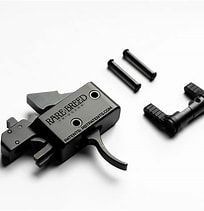
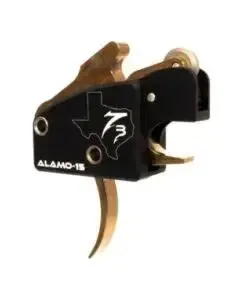
A Forced Reset Trigger is an aftermarket trigger system—mostly used in AR 15 pattern rifles—that mechanically forces the trigger forward after each shot. Unlike a standard semi automatic trigger, which resets only when the shooter releases it, an FRT uses the firearm’s cycling energy to push the trigger forward more aggressively. The important part: The shooter must still pull the trigger for every shot. The design simply allows for faster follow up shots due to the rapid mechanical reset.
Why FRTs Became a Legal Battleground
FRTs entered the national spotlight when federal agencies argued that certain models functioned like machineguns. Their position was that maintaining pressure on the trigger could allow multiple shots during a “single continuous pull.”
However, federal courts later ruled that because the trigger physically resets between shots—and because the shooter must apply pressure each time—FRTs do not meet the statutory definition of a machinegun. This led to major legal reversals, including the end of federal enforcement actions against manufacturers. That said, the legal landscape is still evolving, and responsible gun owners should stay alert to changes.
Federal vs. State Law: Know the Difference
As of 2026:
• Federal law does not classify FRTs as machineguns.
• Some states still ban or heavily restrict FRTs, often under “rapid-fire trigger activator” laws.
• Florida does not currently ban FRTs, but owners should remain aware of ongoing national litigation and potential legislative changes.
If you travel with firearms, especially across state lines, it’s essential to understand the laws of the states you’re entering. Federal legality does not override state-level restrictions.
Why This Matters for Florida Gun Owners
AtTactical K Training and Firearms, we emphasize three pillars: Avoid. Escape. Defend. Owning specialized equipment—whether it’s an FRT, a red-dot optic, or a defensive handgun—comes with the responsibility to understand both the mechanics and the law.
For FRT owners, that means:
• Keeping documentation and proof of purchase
• Staying updated on legal developments
• Using the equipment safely and responsibly
• Never relying on internet rumors for legal guidance
Our goal is to help you make informed decisions that protect your rights and your future.
Safety First: The Tactical K Training and FirearmsApproach
Regardless of trigger type, the fundamentals never change:
• Know your target and what’s beyond it
• Keep your finger off the trigger until ready to fire
• Understand your equipment before using it
• Train regularly with qualified instructors
A faster trigger does not replace skill, judgment, or safe handling. It’s simply a tool—and tools are only as safe as the person using them.
Kielma's Parting Shot; Tactical K Training and Firearms Final Thoughts
Forced Reset Triggers are a perfect example of how quickly the legal and technical landscape can shift. While federal courts have clarified their position, the conversation is far from over. As always, Tactical K Training and Firearms
will continue to provide clear, responsible, and up to date information to help Florida gun owners stay educated and empowered.