Friends Please Take NOTE: Firearm Price's are Going Up FAST
By Gregory Kielma

2026 Firearm Prices Are Up 10–20%: Depending on Manufacture
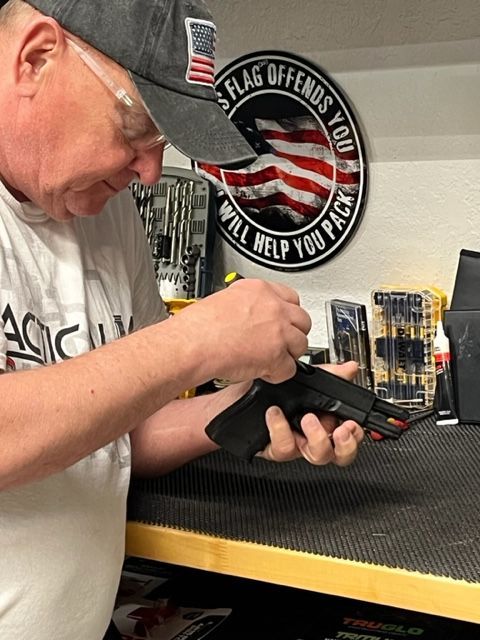
2026 Firearm Prices Are Up 10–20% Depending On Manufacture
An Explanation from Gregg Kielma-Tactical K Training and Firearms
As someone who lives and breathes this industry every single day—both as an FFL and as a firearms instructor—I pay close attention to the trends that affect responsible gun owners. When prices jump 10–20% in a single year, people notice. Students ask me about it on the range, customers ask about it during transfers, and families ask about it when they’re trying to budget for their first defensive firearm.
Here’s the straight, practical breakdown of why firearm prices have climbed, and what it means for everyday gun owners.
1. Manufacturing Costs Are Up Across the Board
Firearms are machines built to extremely tight tolerances. When the cost of raw materials rises—steel, aluminum, polymers, machining components—manufacturers feel it immediately. Over the last year:
• Steel prices increased
• Precision machining costs rose
• Shipping and freight costs jumped
When the cost of building a firearm goes up, the final price inevitably follows.
2. Labor Shortages and Skilled Work Demand
Firearms manufacturing isn’t an entry level job. It requires skilled machinists, quality control techs, and experienced assembly workers. Many companies have had to raise wages to attract and retain talent. That cost gets baked into the final product.
3. Increased Demand from New Gun Owners
Every year, more Americans decide to take responsibility for their own safety. That’s a good thing. But higher demand—especially for handguns, AR platform rifles, and carry pistols—puts pressure on supply.
When demand outpaces production, prices rise.
4. Regulatory Pressure and Compliance Costs
Whether people agree with the politics or not, the reality is this:
Every new rule, form, compliance requirement, or manufacturing standard costs companies money.
From serialization requirements to shipping restrictions to background check system changes, manufacturers and distributors spend more time and money staying compliant. Those costs don’t disappear—they get passed on.
5. Supply Chain Disruptions Haven’t Fully Recovered
COVID-era disruptions never fully settled. Some specialty parts—springs, barrels, optics components—still face delays. When a single part is delayed, entire production lines slow down. Slower production means fewer guns on shelves, which means higher prices.
6. Brand Competition Has Shifted
Companies like SIG, Smith & Wesson, Glock, and Ruger have invested heavily in R&D. Optics-ready slides, modular frames, improved triggers, and better ergonomics all cost money to develop. The modern pistol is far more advanced than what we saw 10 years ago.
Innovation raises quality—but it also raises price.
7. Insurance, Liability, and Operational Costs
This is the part most people never see.
Manufacturers, distributors, and FFLs all face rising insurance premiums and operational costs. Liability coverage for anything firearm-related has skyrocketed. That cost trickles down through the entire supply chain.
What This Means for Responsible Gun Owners
Price increases aren’t a sign of the industry collapsing—they’re a sign of an industry adapting to economic pressure, regulatory changes, and increased demand.
For the everyday gun owner, it means:
• Budgeting a little more for quality
• Buying once, crying once
• Maintaining what you already own
• Training is becoming even more valuable than gear
A well-trained shooter with a reliable firearm is always more effective than someone chasing the newest model.
Kielma’s Parting Shot: My Advice as an Instructor and FFL
If you’re planning to buy:
• Buy sooner rather than later—prices rarely go backward
• Focus on proven platforms
• Invest in training before accessories
• Take care of the firearms you already own
And as always, stay informed, stay responsible, and stay prepared. That’s what separates a gun owner from a protector.
Gregg Kielma