How Does a Bullet Work? Let's Take a Look
By Gregory Kielma
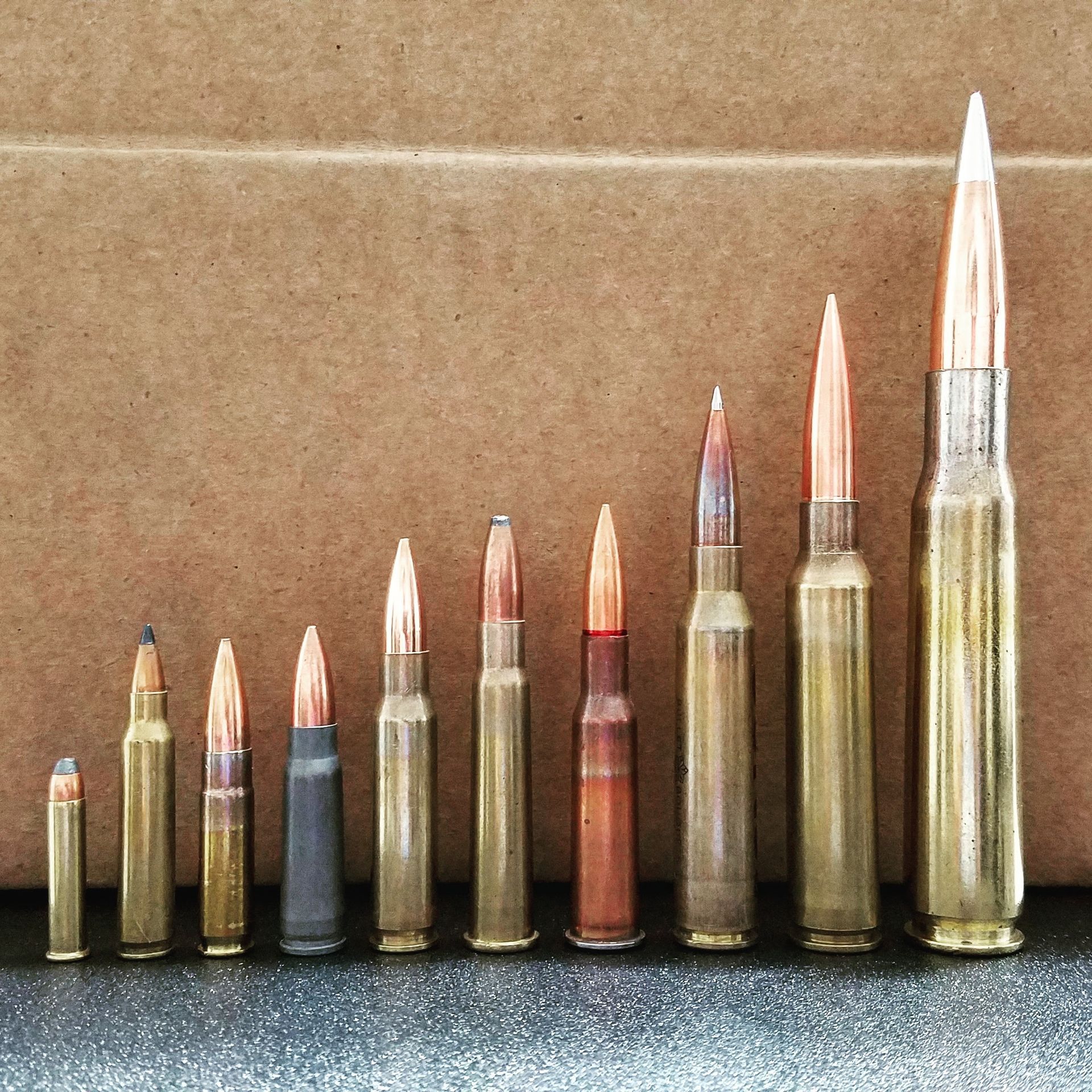
How a Bullet Works: A Straightforward Explanation
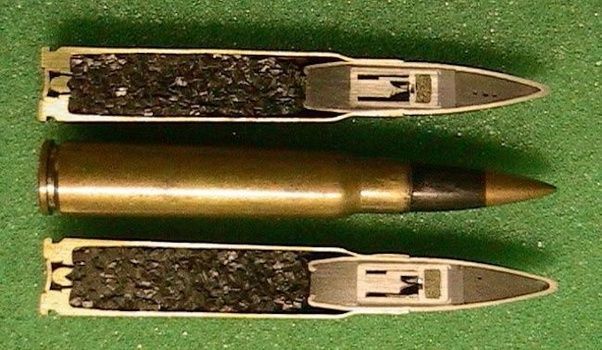
How a Bullet Works: A Straightforward Explanation
Gregg Kielma-Tactical K Training and Firearms
2/16/2026
As an instructor, I’ve learned that most people who come to me for training have handled ammunition before, but very few truly understand what’s happening inside that little brass case. And honestly, once you break it down, the process is simple, predictable, and rooted in physics — which is exactly why safety and respect for the firearm matter so much.
Let me walk you through how a bullet works, step by step, the way I explain it on the range and in my classes.
Kielma says, Let’s Take a LOOK:
1. A Cartridge Is a Self Contained System
When people say “bullet,” they often mean the whole round. The bullet is just the projectile. The complete cartridge has four parts:
• Case – usually brass, holding everything together
• Primer – the ignition source
• Powder – the fuel
• Bullet – the part that leaves the barrel
Each component has a job, and none of them work alone.
2. It All Starts With the Firing Pin
When you press the trigger, you’re not “firing the gun” — you’re releasing a mechanical chain of events. The firing pin strikes the primer, crushing it. That impact ignites the primer compound, which burns extremely fast and sends a jet of flame into the powder.
This is the moment where everything happens in a controlled explosion.
3. Powder Burns, Pressure Builds, and Physics Take Over
The powder doesn’t “explode” — it burns rapidly. That burn creates expanding gas, and because the cartridge is sealed inside the chamber, the pressure has only one direction to go: forward.
That pressure pushes the bullet out of the case mouth and into the barrel’s rifling.
This is where the engineering of the firearm and the ammunition really shows its value. The pressures involved are enormous, but they’re predictable and contained because the firearm is designed to handle them.
4. Rifling Gives the Bullet Stability
As the bullet travels down the barrel, the rifling engraves into the jacket and forces it to spin. That spin is what stabilizes the bullet in flight, just like a well thrown football. Without rifling, accuracy would be unpredictable at best.
5. The Bullet Leaves the Barrel — and Physics Begin and Continue
Once the bullet exits the muzzle, the pressure drops instantly. From that point on, the bullet is coasting through the air, guided by:
• Its spin
• Its shape
• Gravity
• Air resistance
Nothing magical — just physics doing what physics does.
6. The Case Stays Behind
The brass case doesn’t go downrange. It either ejects (in a semi auto) or stays in the cylinder (in a revolver). Its job is done once it contains the pressure and seals the chamber.
Kielma’s Parting Shot: Why This Matters to Me as an Instructor
Understanding how a bullet works isn’t just trivia. It builds confidence. It helps students appreciate why we follow safety rules, why ammunition selection matters, and why maintenance and inspection aren’t optional.
When you know what’s happening inside the firearm, you handle it with the respect it deserves — and that’s the foundation of responsible gun ownership.
Gregg Kielma