Negligent Discharges Let's Take A LOOK
By Gregory Kielma
Can a loaded firearm go off without pulling the trigger?
Can a loaded firearm go off without pulling the trigger?
Says Gregg Kielma firearms trainer and firearm enthusiast,
I have never had a firearm discharge by itself. I’ve dropped a few, not many at all, however, never had a negligent discharge, ever. Can it happen? I understand the Sig 320 semi auto firearm when accidentally dropped has discharged. Check out the reviews on this firearm. Would I own a Sig P320, no. Would I own the Sig P365 and carry it absolutely.
Negligent discharge refers to the unintentional firing of a firearm due to carelessness or failure to follow safety protocols, and it can have serious legal and personal consequences.
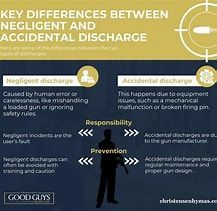
Definition and Distinction
• Negligent Discharge:
This occurs when a firearm is unintentionally fired due to a lack of care or failure to adhere to basic safety rules. It is often the result of human error, such as improper handling or not keeping the finger off the trigger.
• Accidental Discharge:
In contrast, an accidental discharge typically involves mechanical failures or unexpected events, rather than human negligence. Many experts argue that what is often labeled as an accidental discharge is actually a negligent discharge.
Legal Implications
• In some jurisdictions: such as California, negligent discharge is defined legally under Penal Code § 246.3. It involves willfully discharging a firearm in a grossly negligent manner, which could result in injury or death. This can lead to misdemeanor or felony charges, with penalties including imprisonment.
• To be convicted of negligent discharge:
it must be proven that the individual acted with gross negligence, meaning a reasonable person would have recognized the risk involved in their actions.
Causes of Negligent Discharge
• Human Error:
Most negligent discharges occur due to carelessness, such as failing to follow firearm safety rules, improper handling, or leaving a firearm unsecured.
• Poor Trigger Discipline:
A common cause is improper trigger finger placement, where the shooter inadvertently pulls the trigger while handling the firearm.
Prevention Strategies
• Follow Safety Rules:
Adhering to fundamental firearm safety rules can significantly reduce the risk of negligent discharges. These include treating every firearm as if it is loaded, keeping the finger off the trigger until ready to shoot, and ensuring the firearm is pointed in a safe direction.
• Proper Training:
Comprehensive training on firearm safety and handling can help prevent negligent discharges by educating users on the risks and responsibilities of firearm ownership.
Conclusion
Negligent discharge is a serious issue in firearm safety that can lead to severe consequences, both legally and personally. Understanding its definition, causes, and prevention methods is crucial for responsible firearm ownership and safety. By following established safety protocols and receiving proper training, the likelihood of such incidents can be minimized.
Lets take a look at what Andrew said recently on my blog
Complex Question.
I’ve dropped a Glock 9mm right on the back of the slide from 6′… no discharge.
I’ve dropped a flattop old model .44 mag Ruger from 4′ and blew a hole through the ceiling missing me by 3″ or less.
I've fired an M60 belted to the max, removed the trigger group and let the ammo fly until the rounds cooked off before the firing pin hit…ie. we removed the trigger in a fully automatic belted firearm.
I've had a 9mm AR15 platform go off when I released the bolt group. Just like and old school Ingram Mac 45 that has a fixed firing pin and fires from an open bolt… i.e. cocked back just far enough not to engage the trigger, but the spring was heavy enough to cause the fixed firing pin to strike the primer.
So… I've personally had 4 out of 5 experiences where I didn't pull the trigger and the gun discharged.
So accidentally dropping a loaded old school revolver that didn't have that additional safety installed but had a load under the hammer when it should have been empty.
So…Do guns discharge without pulling the trigger.
It depends on the firearms. Knowledge is king. Research what you are purchasing, get opinions from Gunsmiths ask the critical questions. Know before you buy!
They only fire when something, a physical action, initiates the gun to go fire. If the mechanical failure is with the hammer and trigger systems, yes, they can fire…but that's a mechanical failure ie. dropped or misuse of the firearm.