New Ammo vs. Reloaded Ammo What's Best? Let's Take a LOOK
By Gregory Kielma
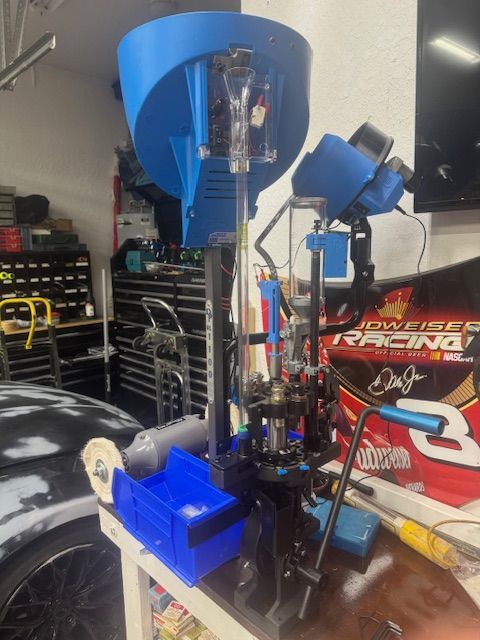
New Factory AMMO vs. Reloaded AMMO
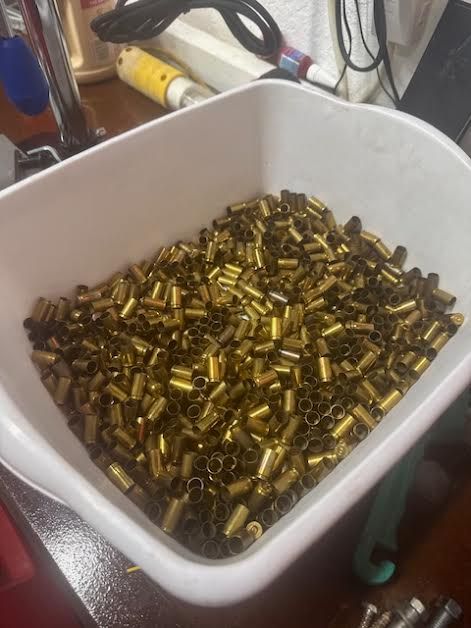
Tactical K Training and Firearms Once Fired Brass Before Processing
New Factory AMMO vs. Reloaded AMMO
By Gregg Kielma
I often get asked about reloading ammo with new or once-fired brass. Personally, I only use new or once-fired brass—never more than that—and I prefer Hodgdon powder and CCI primers. Some reloaders reuse brass several times, but I don't. Factory ammo is convenient and reliable; reloading saves money and allows customization. Your choice depends on whether you prioritize consistency and convenience or cost savings and flexibility. I reload all my own
brass for range and self-defense use.
Kielma says, LET’S TAKE A LOOK, my thoughts.
New vs. Reloaded Ammunition: A Practical Comparison
What Is New Ammo?
New ammunition, often called factory ammo, is produced by manufacturers using brand-new components—fresh brass casings, primers, powder, and bullets. It is packaged, quality-tested, and ready to use straight out of the box.
Key advantages:
• Reliability: Factory ammo is manufactured under strict quality control, reducing the risk of misfires or inconsistencies.
• Convenience: No time investment—simply purchase, load, and shoot.
• Consistency: Ideal for defensive use, law enforcement, and competitive shooting where reliability is paramount.
Drawbacks:
• Cost: Factory ammo is generally more expensive, especially for high-volume shooters.
• Availability: During shortages or price spikes, certain calibers may be difficult to find.
What Is Reloaded Ammo?
Reloaded ammunition—also called handloaded ammo—is made by reusing spent brass casings and replacing primers, powder, and bullets. Shooters either reload themselves or purchase reloads from trusted suppliers.
Key advantages:
• Cost Savings: Reloading can cut costs significantly, especially for rare calibers or high-volume shooting.
• Customization: Reloaders can fine-tune loads for accuracy, recoil management, or specific firearms.
• Independence: Less reliance on factory supply chains, which is valuable during ammo shortages.
Drawbacks:
• Time & Equipment: Reloading requires specialized tools, knowledge, and patience.
• Safety Risks: Poorly reloaded rounds can cause malfunctions or damage firearms if not done correctly.
• Inconsistency: Quality depends on the skill and attention of the reloader.
Side-by-Side Comparison
Factor New Ammo (Factory) My Reloaded Ammo
Cost Higher per round Lower long-term, especially for rare calibersReliability Very high Depends on reloader’s skill
Convenience Ready to use Requires time, tools, and knowledge
Off the shelf pretty box's Reloaded- Customization Limited Highly customizable (powdercharge, bullet type, etc.)
Best For Defense, duty, competition Practice, hunting, precision shooting, cost saving.Please note I make extremely reliable self-defense rounds, just like what comes off the shelf. Time and quality control are a must and my standard.
Risks and Considerations
• For defensive use: Some experts recommend sticking with factory ammo due to its proven reliability and legal defensibility.
• For training and hunting: Reloads can be an excellent choice, offering affordability and tailored performance.
• For beginners: Reloading requires careful study of manuals, adherence to safety practices, and investment in equipment.
Kielma’s Conclusion
New ammo is best when reliability and convenience matter most, while reloaded ammo shines for cost savings, customization, and independence. Many shooters use a mix—factory rounds for defense and reloaded ammo for practice or hunting.
As a firearms instructor, and professional reloader, this comparison is meant be a teaching point for my students, friends and family: I empathize safety and reliability with factory ammo while introducing the benefits of reloaded ammo for those interested in deeper technical knowledge.