Purchasing Your First Firearm
By Gregory Kielma
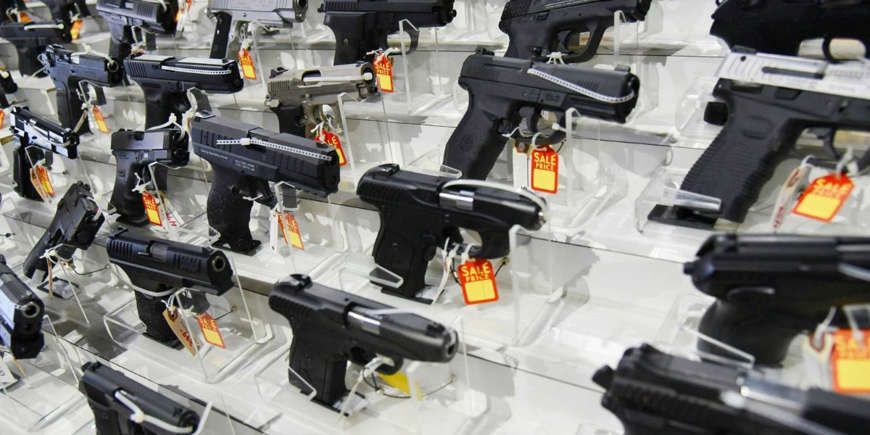
Tips for Purchasing Your First Firearm
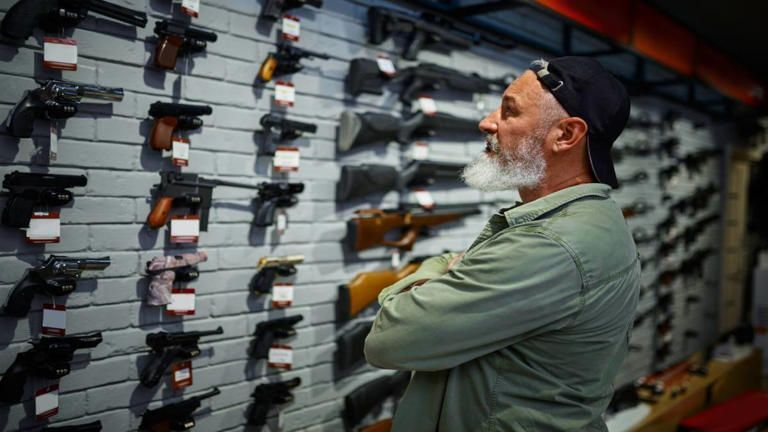
Tips for Purchasing Your First Firearm
By Gregory Kielma, Tactical K Training & Firearms
02/27/28
Buying a firearm is a serious decision, and it should always start with purpose, not impulse. The right firearm is the one that fits your needs, your skill level, and your commitment to safe, responsible ownership. These are the same principles I teach every student who comes through my range.
Know Your Purpose
Before you ever step into a gun shop, be clear about why you’re buying a firearm. Your intended use drives everything else.
• Personal protection: Look for reliability, manageable recoil, and a platform you can control under stress.
• Home defense: Full size pistols, shotguns, or pistol caliber carbines offer better stability and capacity.
• Recreational shooting: Choose something comfortable, affordable to shoot, and enjoyable to train with.
• Hunting: Caliber and platform depend on the game and the environment.
A firearm chosen for the wrong purpose becomes a frustration instead of a tool.
Fit Matters More Than Brand
I tell every student the same thing: the gun has to fit you. Grip angle, trigger reach, weight, and sight picture all affect your ability to shoot safely and accurately. Don’t buy based on what your buddy carries or what’s trending online. Handle several options. If possible, shoot them. The right firearm will feel natural in your hands.
Prioritize Reliability
A defensive firearm must work every time. Look for:
• A proven track record
• Simple, intuitive controls
• Quality construction
• Readily available magazines, holsters, and parts
A reliable firearm builds confidence — and confidence builds safe habits.
Understand the Legal Requirements
Every firearm purchase comes with legal responsibilities. Background checks, age requirements, waiting periods, and carry laws vary by state. Know the rules before you buy. Responsible ownership starts with compliance.
Training Is Not Optional
Owning a firearm doesn’t make you prepared — training does. Professional instruction helps you build safe habits, understand your equipment, and make sound decisions under stress. I always recommend new shooters take a class before buying; it often saves time, money, and frustration.
Plan for Secure Storage
A firearm is only as safe as the person controlling access to it. Safes, lockboxes, and other secure storage options protect children, guests, and unauthorized adults. Safe storage is part of responsible ownership, not an afterthought.
Kielma’s Parting Shot
Good gun shops welcome questions. If something doesn’t make sense, ask. If a salesperson can’t explain a feature clearly, that’s a red flag. You’re not buying a toy — you’re buying a tool that demands respect and understanding.