Range Ammo and Hollow Points: What are The Differences? Let's Take a LOOK
By Gregory Kielma
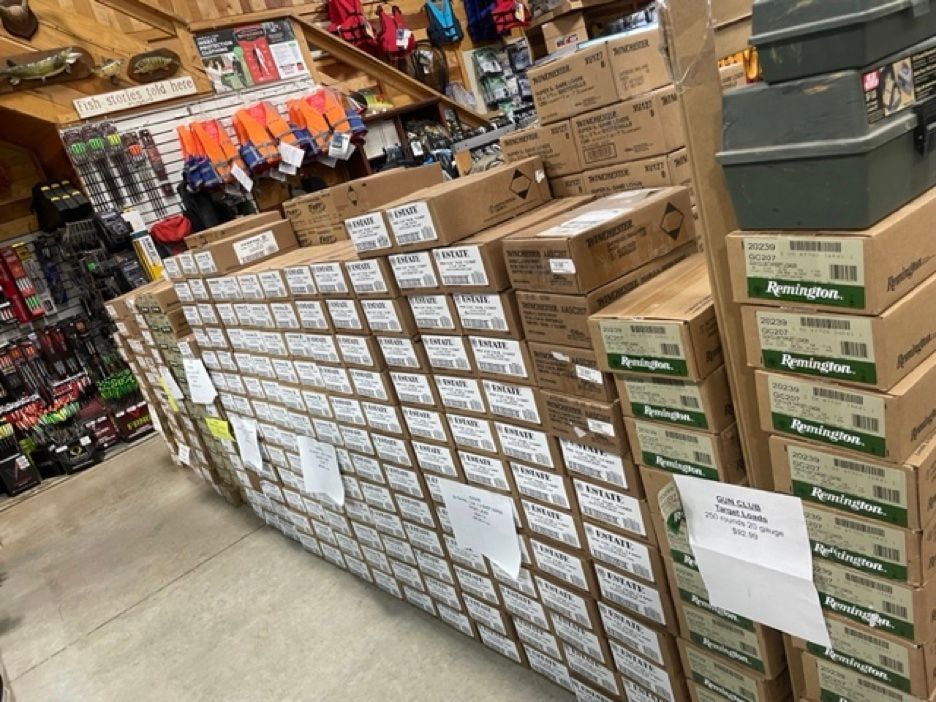
Hollow Point vs. Regular Range Ammo and How a Hollow Point Actually Works
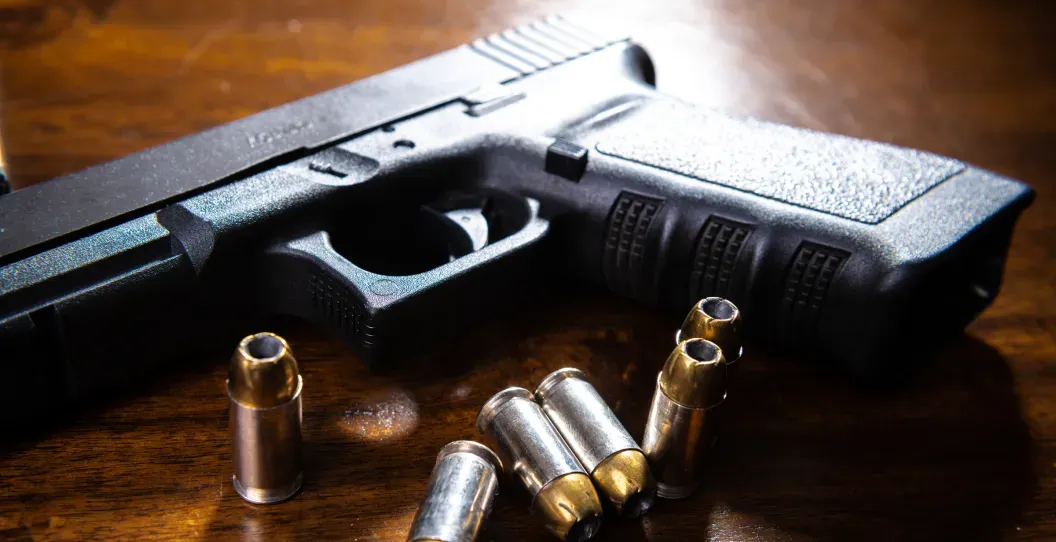
9mm Hollow Point Ammo
Hollow Point vs. Regular Range Ammo and How a Hollow Point Actually Works
By Gregg Kielma
01/18/2026
New students often ask me about my everyday carry. I use a Glock 19 loaded with 9mm, 124-grain hollow points that I reload myself using new brass. I always keep one in the chamber for quick access. If needed when I take it out of its holster it’s ready to fire I do not have to rack the slide. This, in my opinion, saves me precious time. This is my plan, yours maybe different.
Let’s Take a LOOK at range ammo and hollow points. These are my Thoughts.
1. What is a “regular range ammo round”? FMJ is inexpensive, reliable, and ideal for training. It’s not designed for controlled terminal performance.
Most shooters mean FMJ (Full Metal Jacket) when they say, “range round.” FMJ bullets have:
• A lead core fully enclosed in a copper jacket
• A solid, rounded or pointed nose
• Minimal or no expansion on impact
• Straight-line penetration through soft targets
2. What is a Hollow point? This expansion round increases stopping effectiveness and reduces the risk of over penetration.
A hollow point (HP) — often a Jacketed Hollow Point (JHP) — has:
• A cavity or hollow opening in the nose of the bullet
• A jacket engineered to peel back or mushroom
• A design purposefully built for expansion on impact
3. How a hollow point works (simple explanation): This controlled expansion is why hollow points are the standard for self-defense and law enforcement
When a hollow point strikes soft tissue:
1. Fluid enters the cavity in the nose.
2. Pressure forces the bullet’s jacket and lead core to expand outward.
3. The bullet mushrooms, creating:
o A larger wound channel
o More energy transfer
o Reduced penetration depth compared to FMJ
4. Key differences
Range Ammo Hollow Point (JHP)Nose Design Solid Hollow Cavity
On impact Minimal expansion Expands/mushrooms
Penetration Often over penetrates Controlled, reduced
Best use Training, target shooting Self defense
Cost Low Higher
5. Why some ranges restrict hollow points
Some ranges — especially indoor facilities — limit hollow points due to:
• Backstop wear concerns
• Ricochet management
• Local policy or insurance requirements