Senator Cory Booker and The Senate: Is A Federal Firearms License Coming to Own a Firearm?
By Gregory Kielma
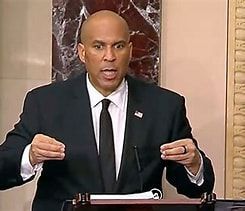
A Critical Look at Senator Booker’s Federal Firearm Licensing Proposal
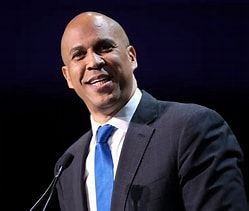
Senator Cory Booker
A Critical Look at Senator Booker’s Federal Firearm Licensing Proposal
Gregg Kielma
12/30/3035
Kielma says these are my thoughts:
The federal government's proposed law for firearm licensing should be opposed. My thought process and why I think this way. Have a comment? Please let me know.
LET’S TAKE A LOOK
Senator Cory Booker’s push for a federal firearm licensing system has drawn intense criticism from gun rights advocates, constitutional scholars, and everyday Americans who view the proposal as an unnecessary and intrusive expansion of federal power. While the plan is framed as a public safety measure, many argue that it represents a sweeping federal overreach that would burden law abiding citizens while doing little to deter criminal activity.
A Federal License: A Solution in Search of a Problem
Critics argue that Senator Booker’s proposal treats responsible gun owners as if they are the source of America’s crime problem. The plan would require every firearm owner in the country to obtain a federal license — a process involving fingerprinting, mandatory interviews, background checks, and recurring renewals.
Opponents contend that this approach flips the presumption of innocence on its head. Instead of targeting criminals, it places the heaviest burden on citizens who already follow the law, train regularly, and store their firearms responsibly.
A Bureaucratic System That Punishes the Law Abiding
One of the strongest criticisms is the sheer scale of bureaucracy the proposal would create. A federal licensing system would require a massive new administrative structure, likely resulting in delays, inconsistent enforcement, and significant taxpayer expense.
Gun rights advocates warn that such a system could become a de facto barrier to exercising a constitutional right. If the government can delay, deny, or revoke a license based on subjective criteria, critics argue that the right to keep and bear arms becomes a privilege granted by the state — not a right protected from it.
Criminals Don’t Apply for Licenses
Opponents also point out a fundamental flaw: criminals, by definition, do not follow licensing laws. They do not submit fingerprints, sit for interviews, or register their firearms.
Critics argue that the proposal focuses on the wrong population. Instead of addressing the root causes of violence — such as gang activity, illegal trafficking, and repeat offenders — the plan targets the people least likely to commit crimes: responsible gun owners who already comply with existing regulations.
A Threat to Privacy and Personal Freedom
Another major concern is the creation of a centralized federal database of gun owners. Critics warn that such a system could expose citizens to privacy risks, data breaches, or political misuse.
Many Americans are uncomfortable with the idea of the federal government maintaining detailed records of who owns firearms, what they own, and where they live. Opponents argue that this level of surveillance is incompatible with a free society.
A Step Toward National Registration and Beyond
For many, the licensing proposal is seen as a gateway to more restrictive federal measures. Critics fear that once a national licensing system is established, future lawmakers could expand it into mandatory registration, limits on ownership, or even confiscation.
While supporters of the proposal dismiss these concerns as exaggerated, opponents argue that history — both in the U.S. and abroad — shows that licensing often precedes more aggressive restrictions.
Kielma’s Parting Shot: A Policy That Misses the Mark
Senator Booker’s federal licensing proposal is presented as a bold step toward reducing gun violence. But critics argue that it misses the mark entirely. Instead of focusing on criminals and illegal activity, it places new burdens on responsible citizens, expands federal bureaucracy, and risks eroding constitutional protections.
For those who believe in responsible firearm ownership, training, and education — values at the core of Tactical K Training — the proposal represents a misguided approach that punishes the wrong people while failing to address the real drivers of violence.
Gregg Kielma