Silencers "Cans" The Good- The Bad and The Ugly Let's Take a LOOK
By Gregory Kielma
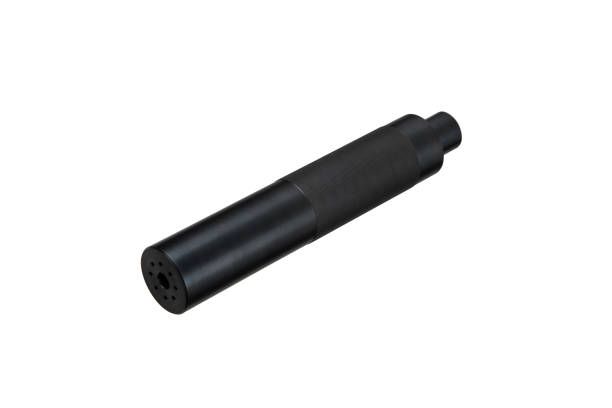
Firearm Suppressors: The Good, the Bad, and the Ugly
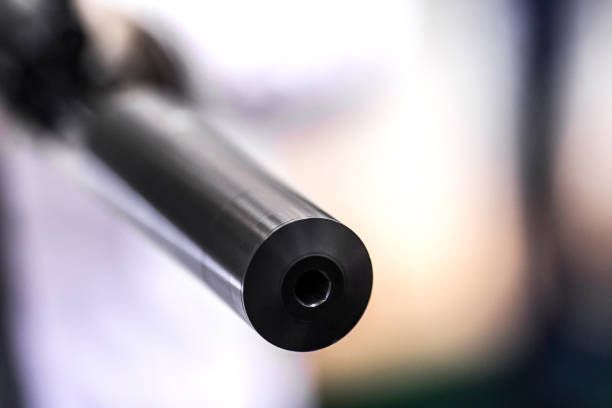
Firearm Suppressors: The Good, the Bad, and the Ugly
By Gregg Kielma-Tactical K Training and Firearms
My Thoughts; The Good-The Bad and The Ugly
Kielma says, "Let's Take a LOOK
Suppressors — or “silencers,” as Hollywood insists on calling them — are one of the most misunderstood pieces of firearms equipment in America. Depending on who you ask, they’re either tactical magic wands or tools of villains. The truth, as usual, sits somewhere in the middle. As an instructor who spends his days teaching responsible gun owners how to stay safe, legal, and effective, I look at suppressors through a practical lens: what they help with, what they don’t, and what every shooter needs to understand before deciding if one belongs in their kit.
The Good: What Suppressors Actually Do Well
1. Hearing Protection That Matters
A suppressor doesn’t make a firearm “quiet.” It makes it safer. Even with a suppressor, most centerfire firearms still exceed safe hearing thresholds — but the reduction is enough to prevent permanent damage in many situations. For home-defense scenarios, where you won’t have time to put on ear pro, that matters.
2. Better Control and Faster Follow Up Shots
By reducing recoil impulse and muzzle blast, suppressors help shooters maintain control. For new shooters, that means confidence. For experienced shooters, that means tighter strings and faster, more accurate follow ups.
3. Reduced Signature
A suppressor cuts down on muzzle flash and blast — not to hide anything, but to help you maintain vision and awareness, especially in low light environments. It’s a tool for control, not concealment.
The Bad: What Suppressors Don’t Do
1. They Don’t Make Guns Silent
Despite the movies, there’s no “pfft” sound. A suppressed 9mm pistol still sounds like a loud nail gun. A suppressed rifle still cracks because of supersonic ammo. If someone buys a suppressor expecting Hollywood results, they’re setting themselves up for disappointment.
2. They Add Weight and Length
A suppressor changes the balance of your firearm. On a rifle, that extra length can affect maneuverability. On a pistol, it can make holstering impossible without specialized gear.
3. They Require Maintenance
Carbon buildup is real. Some suppressors need to be disassembled and cleaned; others need careful handling to avoid seizing. Neglecting a suppressor is no different than neglecting a firearm — it will eventually fail you.
The Ugly: The Legal and Practical Realities
1. The NFA Process
Suppressors are legal in most states, but the federal process is slow, expensive, and bureaucratic. You’re looking at:
• A background check
• A long wait
• Registration with the federal government
For many people, the process is more intimidating than the device itself.
2. Misconceptions Create Problems
Because suppressors are misunderstood, owners sometimes face judgment or misinformation from people who assume the worst. Part of responsible ownership is being prepared to educate others — calmly, factually, and without feeding into Hollywood myths.
3. Not Always Ideal for Defense
While suppressors help with hearing and control, they also add bulk. In tight spaces, that can be a disadvantage. Like any tool, they’re not universally perfect — they’re situational.
Kielma’s Parting Shot
Suppressors are neither miracle devices nor sinister tools. They’re simply equipment — equipment that can make shooting safer, more controlled, and more enjoyable when used responsibly. As with any firearm accessory, the key is education. Understand what a suppressor does, what it doesn’t, and how it fits into your personal training, environment, and goals.
Responsible gun owners don’t chase trends. We make informed decisions. And suppressors, when chosen for the right reasons, can be a smart, practical addition to a well-rounded firearm setup.