THE ATF: WHO ARE THEY? Let's Take a LOOK
By Gregory Kielma
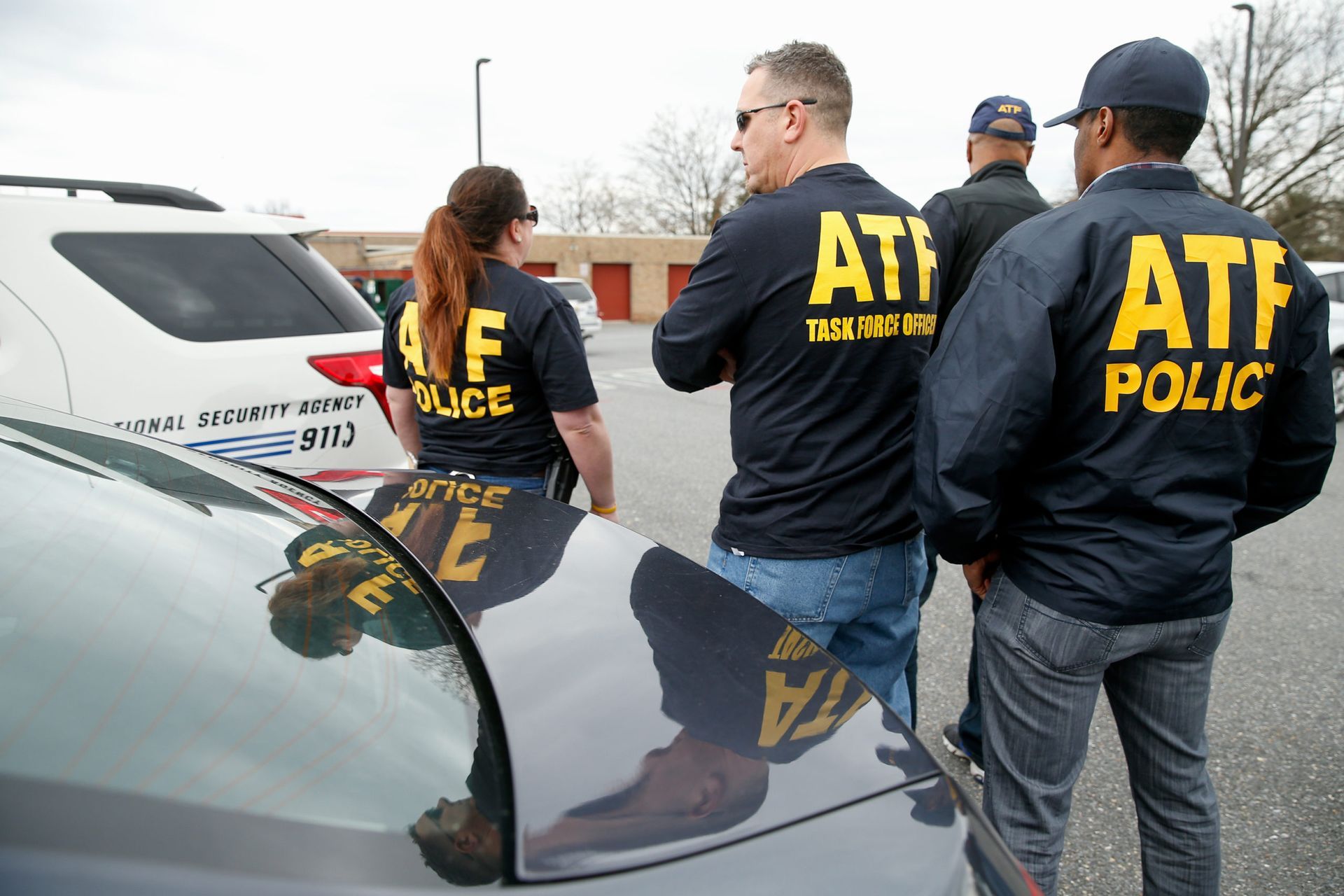
The ATF: A Quiet Force Protecting Communities
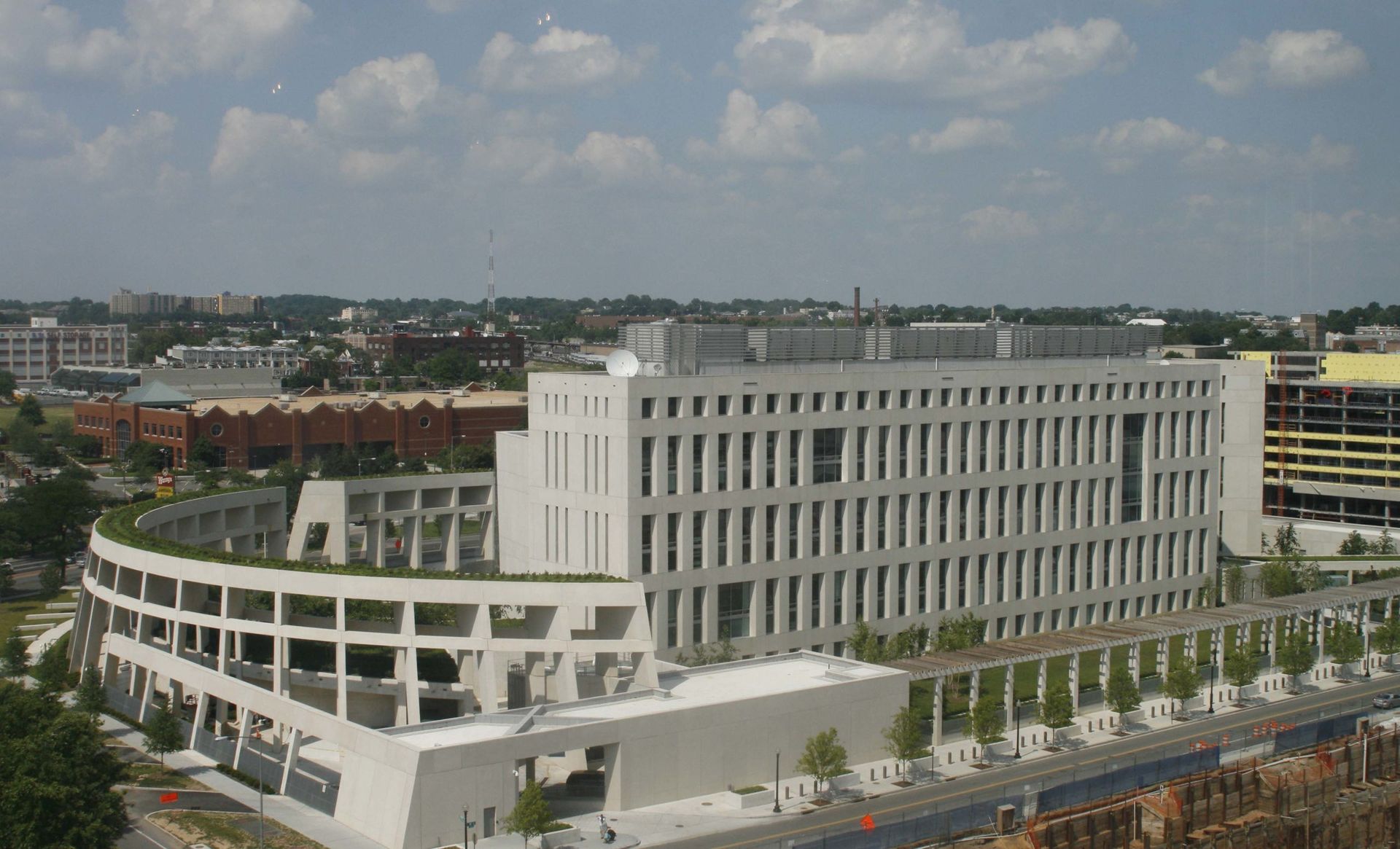
ATF Building Washington DC
The ATF: A Quiet Force Protecting Communities, My Thoughts
By Gregg Kielma
When most people think about public safety, they picture local police departments or federal agencies with high-profile missions. Yet one agency works steadily behind the scenes, tackling some of the most complex threats to American communities: the Bureau of Alcohol, Tobacco, Firearms and Explosives (ATF). Though often operating without fanfare, the ATF plays a vital role in safeguarding the public, supporting law enforcement partners, and ensuring that legal industries operate responsibly.
A Mission Rooted in Public Safety
The ATF’s core mission is straightforward but essential: protect the public from violent crime. Its responsibilities span several areas that directly impact everyday life:
• Combating firearms trafficking and violent crime
• Investigating arson and explosives incidents
• Regulating the firearms and explosives industries
• Ensuring compliance in alcohol and tobacco markets
These are not abstract tasks. They’re the kinds of challenges that, if left unchecked, can destabilize communities and endanger lives. The ATF’s work helps prevent that.
Expertise That Makes a Difference
One of the ATF’s greatest strengths is its deep technical expertise. ATF agents and specialists are among the nation’s foremost experts in:
• Firearms tracing and ballistics
• Explosives analysis
• Fire scene reconstruction
• Criminal networks and trafficking patterns
Their National Integrated Ballistic Information Network (NIBIN) is a prime example. It allows law enforcement agencies across the country to link shell casings from different crime scenes, helping investigators identify patterns and stop violent offenders more quickly.
Partnerships That Strengthen Communities
The ATF doesn’t work alone. It collaborates with thousands of local police departments, federal agencies, and international partners. These relationships amplify the impact of every investigation.
Whether it’s helping a small-town police department solve an arson case or supporting a major city’s efforts to dismantle a firearms trafficking ring, the ATF brings resources and expertise that many agencies simply don’t have on their own.
Supporting Lawful Industry
Beyond enforcement, the ATF plays a crucial regulatory role. It works closely with firearms dealers, explosives companies, and alcohol and tobacco businesses to ensure compliance with federal law. Most of these businesses want to operate responsibly, and the ATF provides guidance, inspections, and education to help them do exactly that.
This partnership-based approach strengthens legitimate commerce while preventing dangerous materials from falling into the wrong hands.
A Commitment to Professionalism
ATF personnel—agents, chemists, auditors, investigators, and support staff—are known for their professionalism and dedication. Their work often requires patience, precision, and a willingness to take on difficult, sometimes dangerous assignments. Yet they continue to serve with integrity, motivated by a simple goal: make communities safer.
A Vital, Often Unsung Agency
The ATF may not always be in the spotlight, but its contributions are felt nationwide. From solving violent crimes to preventing illegal trafficking, from supporting local law enforcement to ensuring responsible industry practices, the ATF is a critical part of America’s public safety infrastructure.
In a world where threats evolve quickly, the ATF’s expertise, adaptability, and commitment to service make it an indispensable force for good.