We The People Examined
By Gregory Kielma
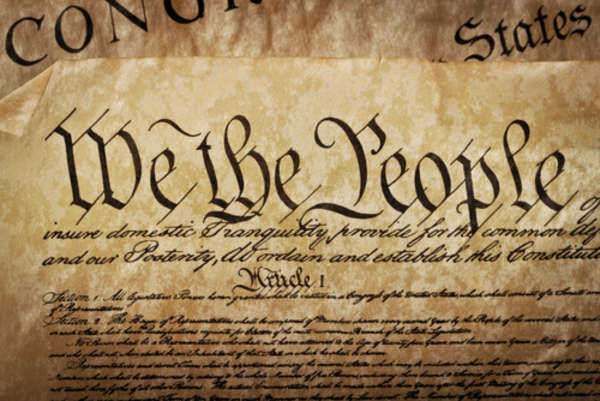
We the People”: Unpacking the Core Essence of Constitutional Authority
“We the People”: Unpacking the Core Essence of Constitutional Authority
Gregg Kielma
Introduction
The opening words of the United States Constitution, “We the People,” resonate as a powerful declaration that encapsulates the fundamental principles of democratic governance. These three simple words carry a weighty significance, encapsulating the essence of a government established by and for the citizens it represents. In this exploration, we delve into the profound meaning of the phrase “We the People,” its historical context, its appearances beyond the Constitution, and its enduring impact on American democracy.
The Essence of “We the People”
The phrase “We the People” encapsulates the foundational principle of popular sovereignty, emphasizing that the ultimate source of authority in the United States rests with its citizens. These opening words not only affirm the legitimacy of the Constitution but also establish that the government derives its power from the consent of the governed. The framers intentionally chose this language to underscore that the Constitution’s authority emanates from the collective will and participation of the American people.
Historical Context
The inclusion of “We the People” in the Constitution reflects the framers’ commitment to breaking away from the monarchical rule of Great Britain and embracing self-governance. The phrase crystallizes the shift from a system where rulers held absolute power to one in which the people were empowered to shape their government. This principle was a response to the colonists’ grievances and their desire to create a new nation founded on the ideals of liberty, justice, and equality.
Beyond the Constitution
While “We the People” holds a prominent place in the preamble of the Constitution, it also appears in other contexts, affirming its continued significance. One such instance is the Fourteenth Amendment, ratified in 1868. This amendment solidified the concept of citizenship and equal protection under the law for all persons born or naturalized in the United States. In this context, “We the People” expanded its reach to include previously marginalized communities and underscored the nation’s commitment to inclusivity.
Additionally, the phrase reverberates in landmark Supreme Court cases. For instance, in the case of “We the People Foundation v. United States” (2004), the court examined issues related to government transparency and accountability. This case illustrated how “We the People” continues to serve as a reminder of the citizenry’s right to petition the government and hold it accountable.
Enduring Impact
“We the People” has evolved into a symbol that transcends its original context, becoming a rallying cry for civic engagement and democratic participation. It underscores the idea that the Constitution is a living document that requires the active involvement of citizens to uphold its principles. The phrase has inspired generations of Americans to take an active role in shaping their government, participating in elections, and advocating for policy changes that reflect their values.
Moreover, “We the People” has become an educational cornerstone, encouraging citizens to learn about their rights, responsibilities, and the workings of the government. The National Archives in Washington, D.C., displays the Constitution and its preamble, allowing visitors to engage directly with this historic document and the sentiment it embodies.
What Does We the People Mean?
“We the People” is a phrase that comes from the Preamble of the United States Constitution. In the Preamble of the United States, it talks about what the purpose of the Constitution, and what principles guide it.
Where Does “We The People” Show Up?
“We the People” is in the very first sentence of the United States Constitution. Here is the text where “We the People” is found:
“WE THE PEOPLE of the United States, in order to form a more perfect Union, establish Justice, insure domestic Tranquility, provide for the common defense, promote the general Welfare, and secure the Blessings of Liberty to ourselves and our Posterity, do ordain and establish this Constitution for the United States of America.”
What Does “We the People” Mean?
While you may think that the phrase “We the People” is talking about all Americans, there is actually much more to the phrase. “We the People” includes all the citizens of the United States of America. The importance of this phrase shows that it was just the framers of the Constitution of the legislators who were given powers to the government. Instead, the government gets all of its powers from all of the Citizens of the United States of America.
Who Does “We the People” Include?
Today, “We the People” includes all citizens of the United States. They can be any race and any gender. In order to be a citizen and be a part of “We the People,” you can be born in the United States or you can receive your citizenship. However, when the Constitution was ratified, some groups of people did not have the same rights as others. For example, women and slaves were not able to vote. Without being able to vote, they would not be able to choose representatives and be involved in lawmaking.
Why is “We the People” Important?
When you read the entire preamble, you can see that it is “We the People” who are giving the government their powers. This is very important because without the people lending that power, the United States Constitution would not have been able to become the guideline for the Republican government we have today.
Conclusion
“We the People” is not just a set of words in the Constitution; it encapsulates the heart of American democracy. This foundational phrase reflects the transformative shift from monarchy to self-governance, emphasizing the authority of citizens in shaping their government. As it extends beyond the Constitution’s preamble, “We the People” continues to empower marginalized communities, remind citizens of their civic duties, and inspire active participation in democratic processes. Its enduring impact ensures that the ideals of the framers live on in the ongoing pursuit of a more perfect union, where government is of, by, and for the people.