What a Good Concealed Carry Gun Should Look and Feel Like
By Gregory Kielma
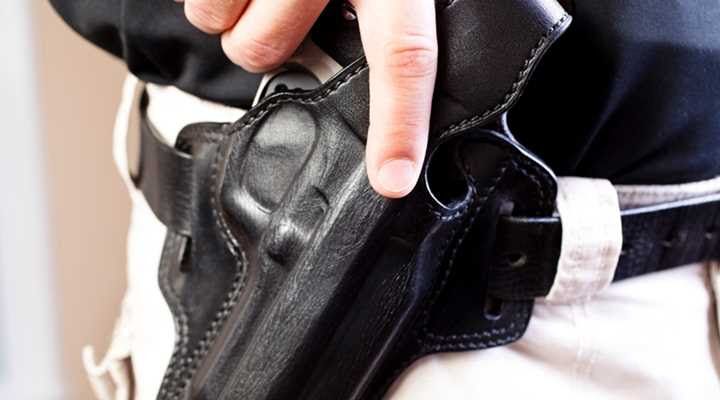
What a Good Concealed Carry Gun Should Look and Feel Like: A Professional Instructor’s Perspective
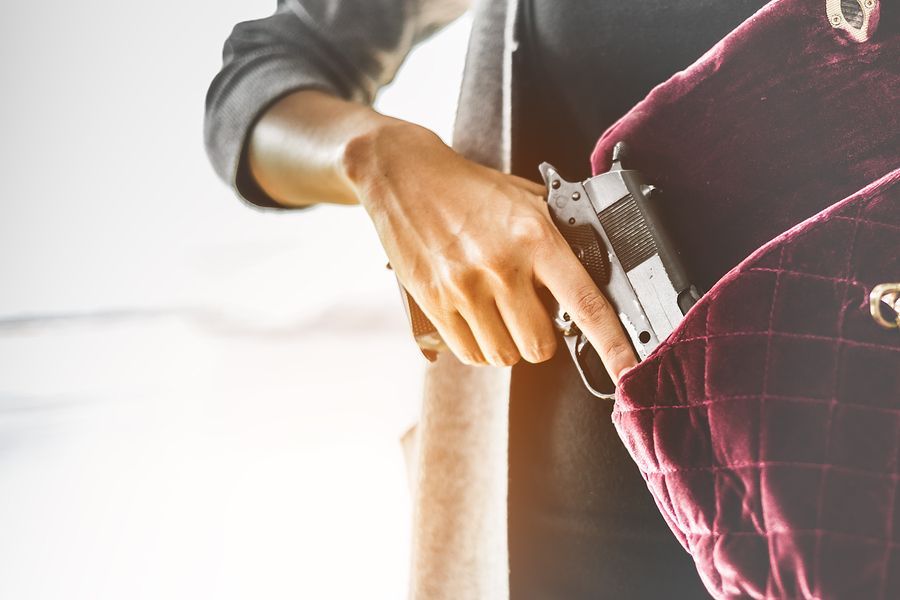
What a Good Concealed Carry Gun Should Look and Feel Like: My Perspective
By Gregg Kielma-Tactical K Training and Firearms
2/17/2026
Choosing a concealed carry firearm isn’t about trends, brand loyalty, or what someone on the internet says is “the best.” It’s about selecting a tool that fits your body, your training level, and your defensive needs. After years of teaching responsible gun owners, I’ve learned that the right concealed carry gun shares a few unmistakable qualities—both in how it looks and how it feels in the hand.
It Should Look Purpose Built, Not Flashy
A good, concealed carry gun isn’t a showpiece. It’s a defensive tool. From my perspective, the ideal CCW firearm has:
• Clean, snag free lines that won’t catch on clothing during the draw.
• A modest profile—not oversized, not underpowered, just balanced for daily carry.
• Durable, no nonsense finishes that hold up to sweat, humidity, and constant holster contact.
• Simple, intuitive controls that don’t require fine motor skills under stress.
A carry gun should visually communicate reliability. Nothing about it should look fragile, overly complicated, or designed for anything other than personal protection.
It Should Feel Like an Extension of Your Hand
The “feel” of a concealed carry gun is where most people make or break their choice. A proper CCW firearm should:
• Seat naturally in your grip without forcing your wrist into awkward angles.
• Offer enough grip texture to stay secure under stress, but not so aggressive that it tears up clothing or skin.
• Balance well—not nose heavy, not top heavy, just stable and predictable.
• Provide a trigger you can manage consistently, with a clean break and a reset you can feel.
If the gun feels like you’re fighting it, it’s the wrong gun. A carry firearm should disappear into your hand and allow you to focus on the fundamentals, not the ergonomics.
It Should Shoot Better Than Its Size Suggests
Small guns are harder to shoot well. That’s reality. A good, concealed carry gun overcomes that by offering:
• Manageable recoil that doesn’t punish the shooter.
• Sights you can actually see, not tiny nubs that disappear in low light.
• Predictable accuracy—not match grade, but consistent and confidence building.
• A controllable frame that allows fast follow up shots without wrestling the gun.
If a student can’t keep rounds on target under stress, the gun isn’t helping them—it’s hindering them.
It Must Fit the Mission
A concealed carry gun should match the owner’s lifestyle and training commitment. That means:
• It conceals well in your actual clothing, not just in theory.
• It works with a quality holster, not a bargain-bin afterthought.
• It’s a gun you’re willing to train with regularly, not one that hurts to shoot or feels intimidating.
• It’s reliable with defensive ammunition, not just range ammo.
A firearm that doesn’t fit your daily life won’t get carried. And a gun that isn’t carried can’t protect you.
Kielma’s Parting Shot:
A good concealed carry gun doesn’t need to impress anyone. It needs to be safe, reliable, and suited to the person who carries it. When a firearm looks clean, feels natural, and performs consistently, it becomes a trustworthy defensive tool—not a burden.
That’s the standard I teach, and it’s the standard every responsible gun owner deserves to follow.
Gregg Kielma