What Happens if My Gun is Lost or Stolen: Let's Take a LOOK
By Gregory Kielma
What To Do If Your Firearm Is Stolen From Your Home or Vehicle
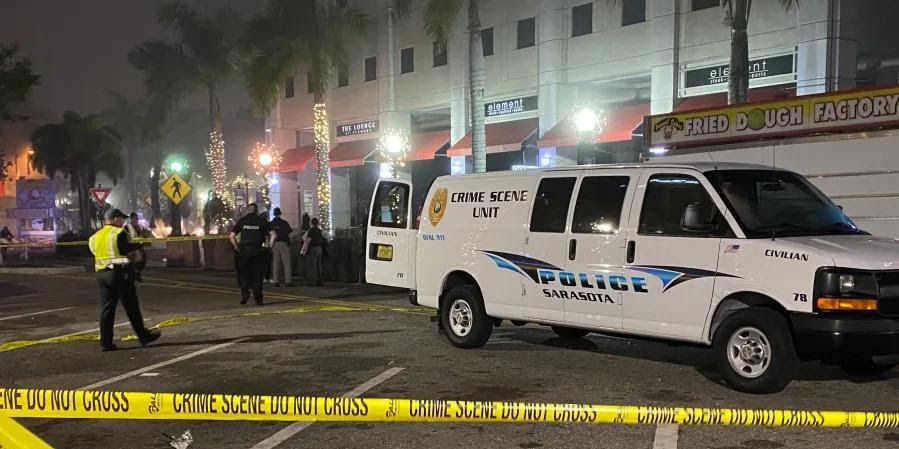
What To Do If Your Firearm Is Stolen From Your Home or Vehicle
By Gregory Kielma, Tactical K Training and Firearms
4/10/2026
As responsible gun owners, we prepare for many scenarios — but few situations feel more violating or stressful than discovering a firearm has been stolen. Whether it’s taken from your home or your vehicle, the way you respond in the next few hours matters. It affects your legal protection, the chances of recovery, and the safety of your community.
This guide walks you through the exact steps you should take if you ever find yourself in this situation.
1. Stay Calm and Confirm the Firearm Is Actually Missing
Before assuming theft, take a moment to verify:
• Did someone else in the household move it?
• Was it stored in a secondary safe or case?
• Was it recently transported to the range or vehicle?
Once you’ve confirmed it’s truly missing, act immediately. Time is your ally.
2. Contact Law Enforcement Right Away
A stolen firearm is a serious matter, and reporting it promptly protects you legally and helps prevent that firearm from being used in a crime.
When you call law enforcement, be prepared to provide:
• Make, model, and caliber
• Serial number
• Any unique markings or accessories
• Where it was stored
• When you last saw it
• How you believe it was taken
If the theft occurred from a vehicle, tell them whether there were signs of forced entry. If it was taken from your home, note any suspicious activity, break ins, or missing property.
Request a copy of the police report or case number. You’ll need it for insurance, documentation, and follow up.
3. Notify Your Local Sheriff’s Office or State Agency (If Required)
Some states require additional reporting beyond the initial police report. Even if your state doesn’t mandate it, notifying local authorities ensures the firearm is entered into national databases quickly.
In Florida, reporting promptly is strongly recommended to protect yourself from liability and to assist in recovery efforts.
4. Inform ATF If the Firearm Was Registered on a Form 1 or Form 4
If the stolen firearm is an NFA item (suppressor, SBR, SBS, etc.), you must notify the ATF using ATF Form 3310.11 – Federal Firearms Licensee Theft/Loss Report.
Even as a private owner, you are required to report the loss of an NFA item.
5. Contact Your Insurance Provider
If you have:
• Homeowners insurance
• Renters insurance
• A firearms-specific rider
• A safe or equipment policy
…you may be eligible for reimbursement.
Provide them with:
• The police report number
• Photos of the firearm (if available)
• Purchase receipts or documentation
Insurance companies often require proof of secure storage, so be prepared to explain how the firearm was stored at the time of the theft.
6. Notify Your Local Gun Shops and Pawn Shops
Many stolen firearms eventually show up in:
• Pawn shops
• Secondhand gun stores
• Gun shows
Provide them with:
• Serial number
• Make and model
• Your contact information
• The police case number
They cannot legally return the firearm to you directly, but they can alert law enforcement if it appears.
7. Strengthen Your Security Immediately
A theft is a wake up call. After reporting the incident, take steps to prevent it from happening again:
• Upgrade your safe or lockbox
• Add vehicle lockboxes if you must store a firearm in your car
• Install cameras or motion lighting
• Reinforce doors, windows, or garage access points
• Avoid leaving firearms in vehicles overnight
Criminals often return to the same location if they believe more firearms are present.
8. Follow Up Periodically
Law enforcement agencies handle thousands of cases. A polite follow up every few weeks keeps your case active and ensures your information stays current.
If your firearm is recovered, you’ll be contacted — but staying engaged increases the odds.
Kielma’s Parting Shot:
A stolen firearm is more than a loss of property — it’s a threat to public safety and a liability for the owner. Acting quickly, documenting everything, and reinforcing your security are the best ways to protect yourself and your community.
Responsible ownership doesn’t end when a firearm goes missing. It begins again with how you respond.
Gregg Kielma