What Make a Good Firearms Instructor: Gregg Kielma's Thoughts
By Gregory Kielma

What Makes a Good Firearms Instructor: Skill, Safety, and the Art of Teaching
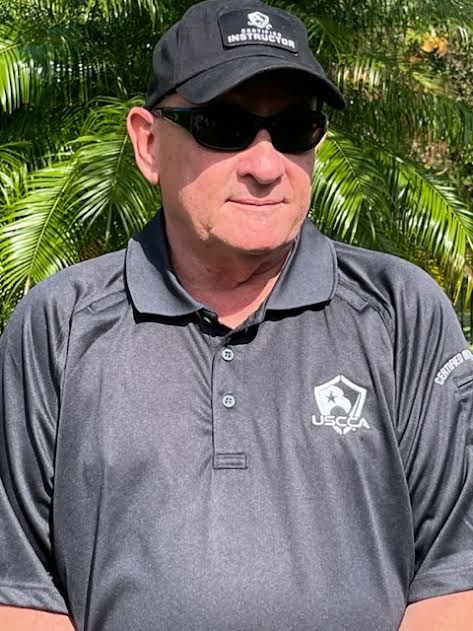
Gregg Kielma
What Makes a Good Firearms Instructor: Skill, Safety, and the Art of Teaching
By Gregg Kielma
USCCA 5 Star Instructor
Clients often inquire about my qualifications, experience with firearms, distinguishing factors as an instructor, and the reasons they should place their trust in my instruction. Below, I offer my perspective on these points for your consideration.
Continues Kielma,
“as a firearm instructor I carry a responsibility that goes far beyond teaching people how to shoot. I shape attitudes, build safe habits, and influence how students think about firearms for the rest of their lives. An instructor isn’t just knowledgeable — they’re a mentor, a communicator, and a guardian of safety”.
1. Safety Is My Unshakable Foundation
Every reputable instructor treats safety as the core of their identity. They don’t just recite the rules — they model them in every movement.
A good instructor:
• Always demonstrates muzzle awareness
• Enforces safe handling without compromise
• Creates a controlled, calm learning environment
• Explains why safety rules matter, not just what they are
Students should feel confident, not intimidated, because they know the instructor is in full command of the range and the lesson.
2. Deep, Practical Knowledge — Not Just Book Learning
A strong instructor understands firearms from the inside out. They know:
• How different platforms operate
• The mechanics behind malfunctions
• Ammunition basics
• Fundamentals of marksmanship
• Real world application, not just theory
But knowledge alone isn’t enough. The best instructors can translate complex concepts into simple, digestible steps that anyone can follow.
3. Clear, Patient Communication
Teaching firearms is as much about people as it is about guns. A good instructor knows how to read a student’s body language, adjust their approach, and explain things in multiple ways.
They:
• Stay patient, even when a student struggles
• Give corrections respectfully, never harshly
• Break skills into manageable steps
• Encourage questions and curiosity
A great instructor makes students feel capable, not judged.
4. Strong Range Awareness
On a live range, awareness is everything. A good instructor constantly monitors:
• Muzzle direction
• Trigger discipline
• Student stress levels
• Environmental factors
• Range conditions
They anticipate problems before they happen and intervene early, calmly, and decisively.
5. Adaptability to Different Students
No two shooters are the same. A good instructor adjusts their teaching style for:
• New shooters
• Experienced shooters with bad habits
• Nervous students
• Physically limited students
• Left handed shooters
• Law enforcement or defensive minded students
They don’t force a one size fits all method. They tailor the lesson to the person in front of them.
6. Professionalism and Integrity
A good instructor:
• Shows up prepared
• Maintains their equipment
• Keeps their certifications current
• Respects students’ time and goals
• Avoids ego, bravado, or unsafe “showing off”
They understand that professionalism builds trust — and trust is essential when firearms are involved.
7. Commitment to Continuous Improvement
Firearms training is evolving. Techniques change. Gear changes. Laws change. A good instructor never stops learning.
They:
• Attend advanced courses
• Study new training methods
• Seek feedback
• Stay humble enough to grow
The best instructors are lifelong students themselves.
8. A Focus on Building Confidence, Not Fear
A good instructor helps students feel:
• Safe
• Capable
• In control
• Empowered
They don’t use intimidation or condescension. They build up shooters, one skill at a time.
Conclusion
A good firearms instructor is far more than a skilled shooter. They are a communicator, a safety expert, a mentor, and a steady presence on the range. My influence shapes not only how students shoot, but how they think about responsibility, discipline, and respect for firearms.
Gregg Kielma USCCA 5 Star Instructor